Not American Football

Hej! This week has been BUSY. It’s midterm season. Time to buckle down.

On Wednesday, I had a field study in the morning and another one in the evening. My Sense of Place in European Literature class had a film screening of The Lives of Others in preparation for our study tour to Berlin. My teacher brought coffee and pastries. It feels like my teachers are trying to one-up each other with food. It’s so nice of them. After the intense and surprisingly uplifting movie, my friends from class and I got Thai food.

That evening, I was fortunate to attend a talk by the artist Jeannette Ehlers–who was responsible for the Queen Mary statue which was featured in my post on race–for my Post-Colonial Europe field study. Three different DIS classes–Mette’s Danish Language and Culture, Women, Art and Identity, and Post-Colonial Europe–got to see Ehlers as part of their field study. She showed her artwork and told us her inspiration for the different pieces. I teared up watching her performance piece, “Whip it Good,” in which Ehlers whips a blank canvas with a whip covered in charcoal. She then invited the audience to finish the artwork. The performance takes on more meanings as different people take the whip into their hands. The piece evokes the painful history of slavery, but it also felt redemptive. In the Q & A session, Ehlers told us that she channeled her anger into her art.
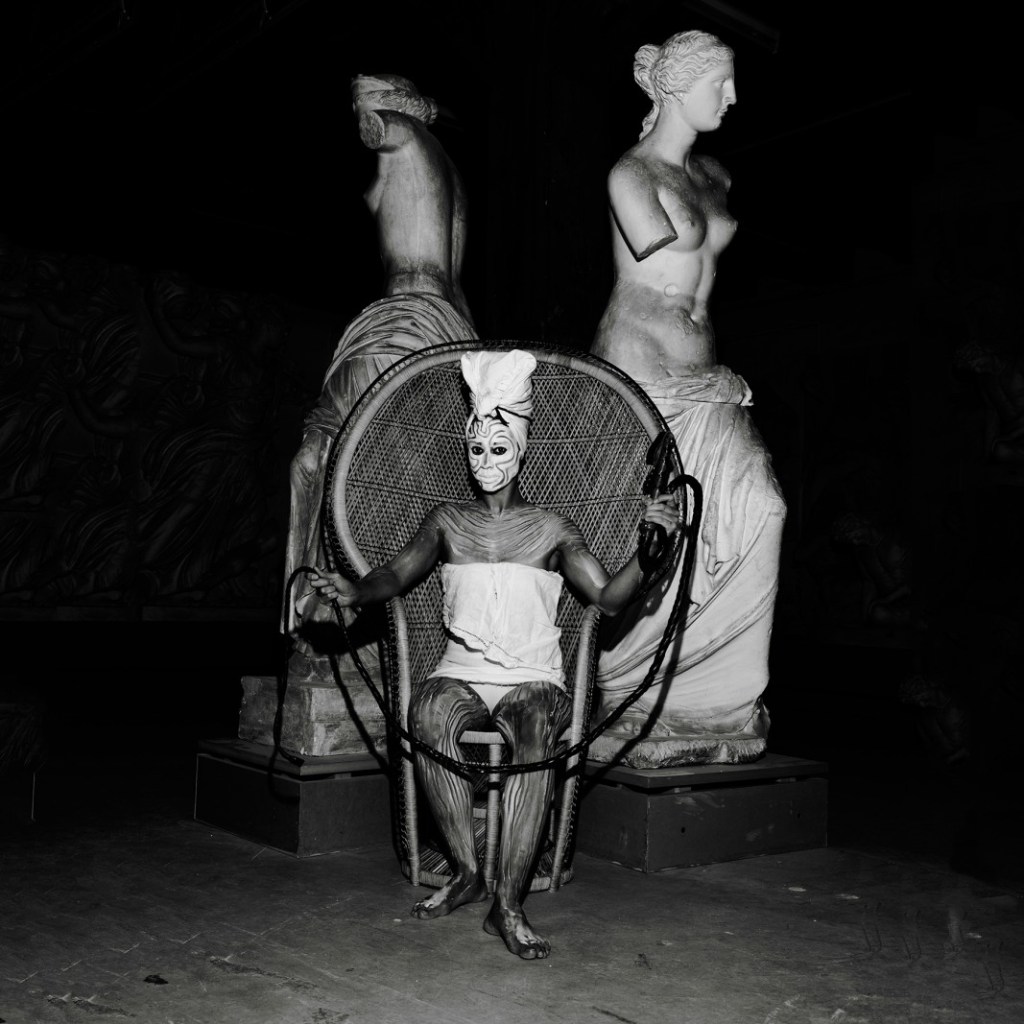
This is Jeannette Ehlers in her costume for “Whip it Good”. Copywrite: Casper Maare. https://finespind.dk/index.php/billedgallerier/834-kunstner-queen-jeannette-ehlers-interviewbilledeidstart1venstre

One of the reasons why I chose the courses I did was because I compared the field studies. So far I’ve met a poet, a musician, artists, activists, and a politician. I’ve gotten to learn about so many perspectives on course material.
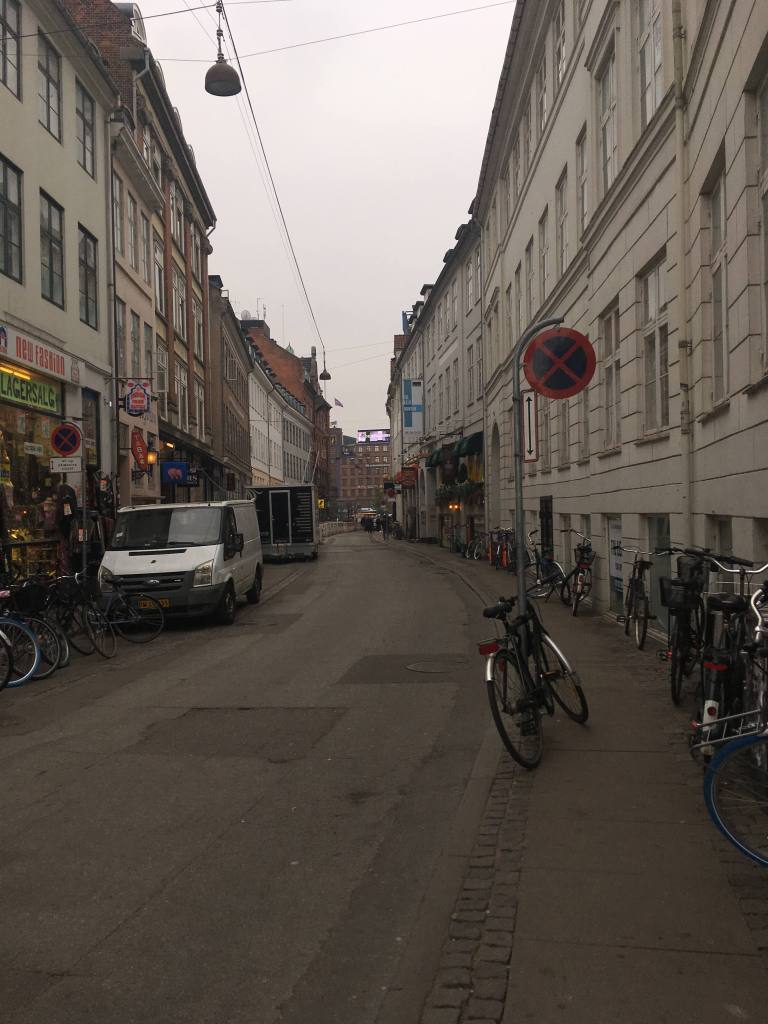
It’s been a very Danish week, weather-wise.

On Thursay, I visited my visiting host family. My host dad made a traditional dish of frikadelle (Danish meatballs), kartofler (potatoes), and pickled cucumbers. We talked about Trump’s possible impeachment, travel experiences in Berlin, double meanings of Danish words, and Taylor Swift (somehow she makes her way into our conversation 🙂 ). In some ways, my visiting host family reminds me of my own family. My visits with them are very hygge!

Friday night, I went to Absalon with my housemates and the RoFH students. Absalon is sort of an all-purpose space. They always have different events going on. They have community dinners for new people in town at a very reasonable price of 50 DKK. At night, it is a bar and dance club. I’m not used to staying up so late and having to wait half an hour to catch the train home.
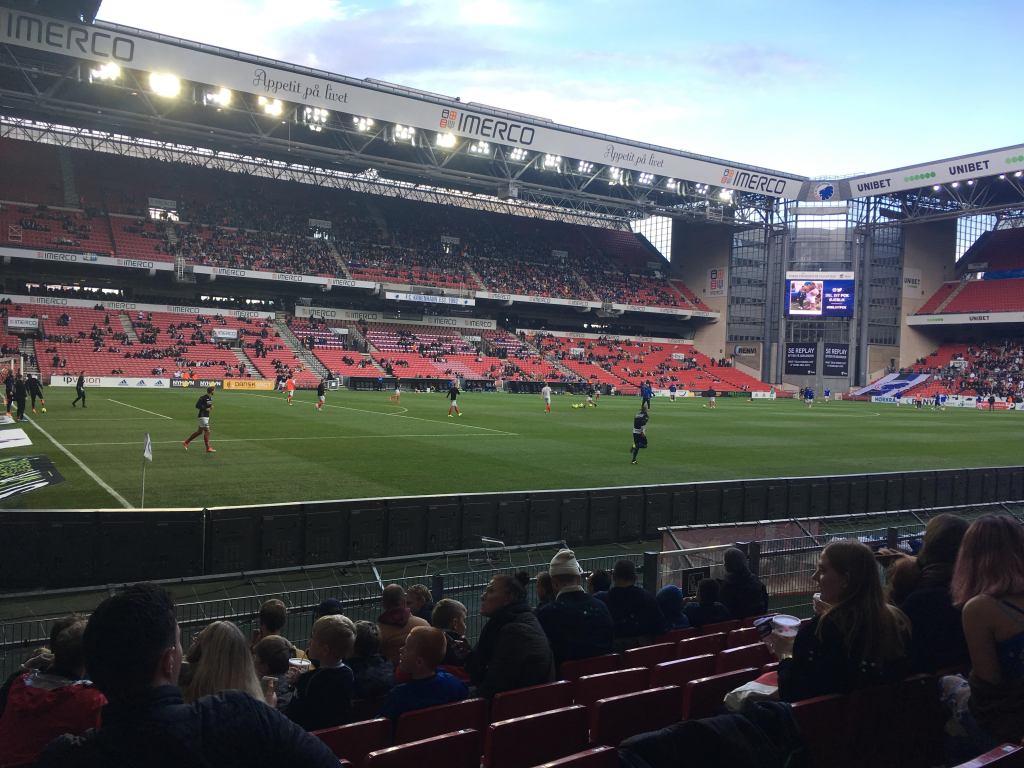
DIS got us tickets to a fodbold (not the American football) game between F.C.København (aka FCK) and Silkeborg IF. I bought beers for my housemates because that seemed like part of the Danish fodbold experience. We cheered on F.C.K and observed the super fans with their banners, songs, and chants.

Time to get back to homework!
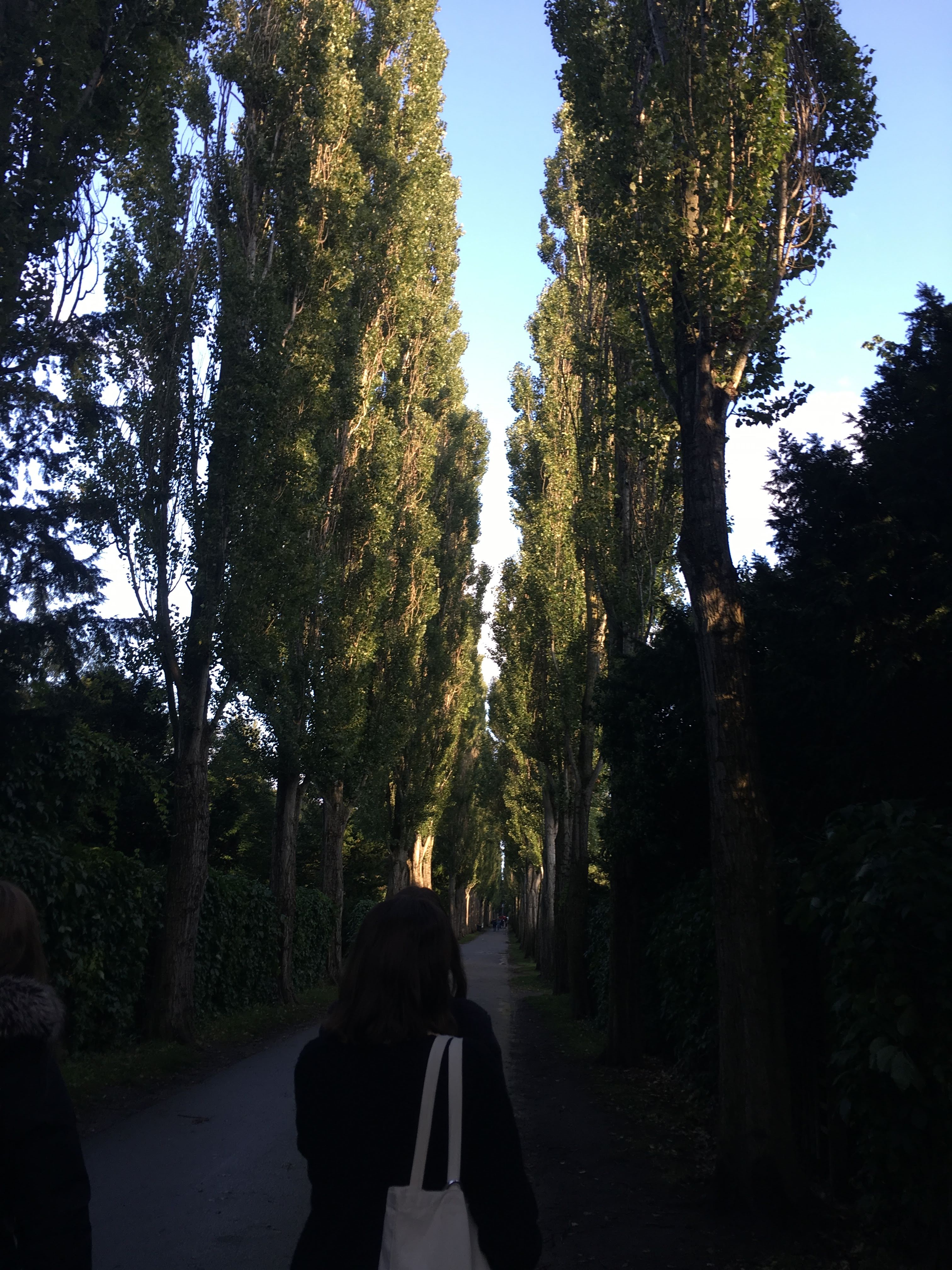
Felafel, cemeteries, and a hailstorm

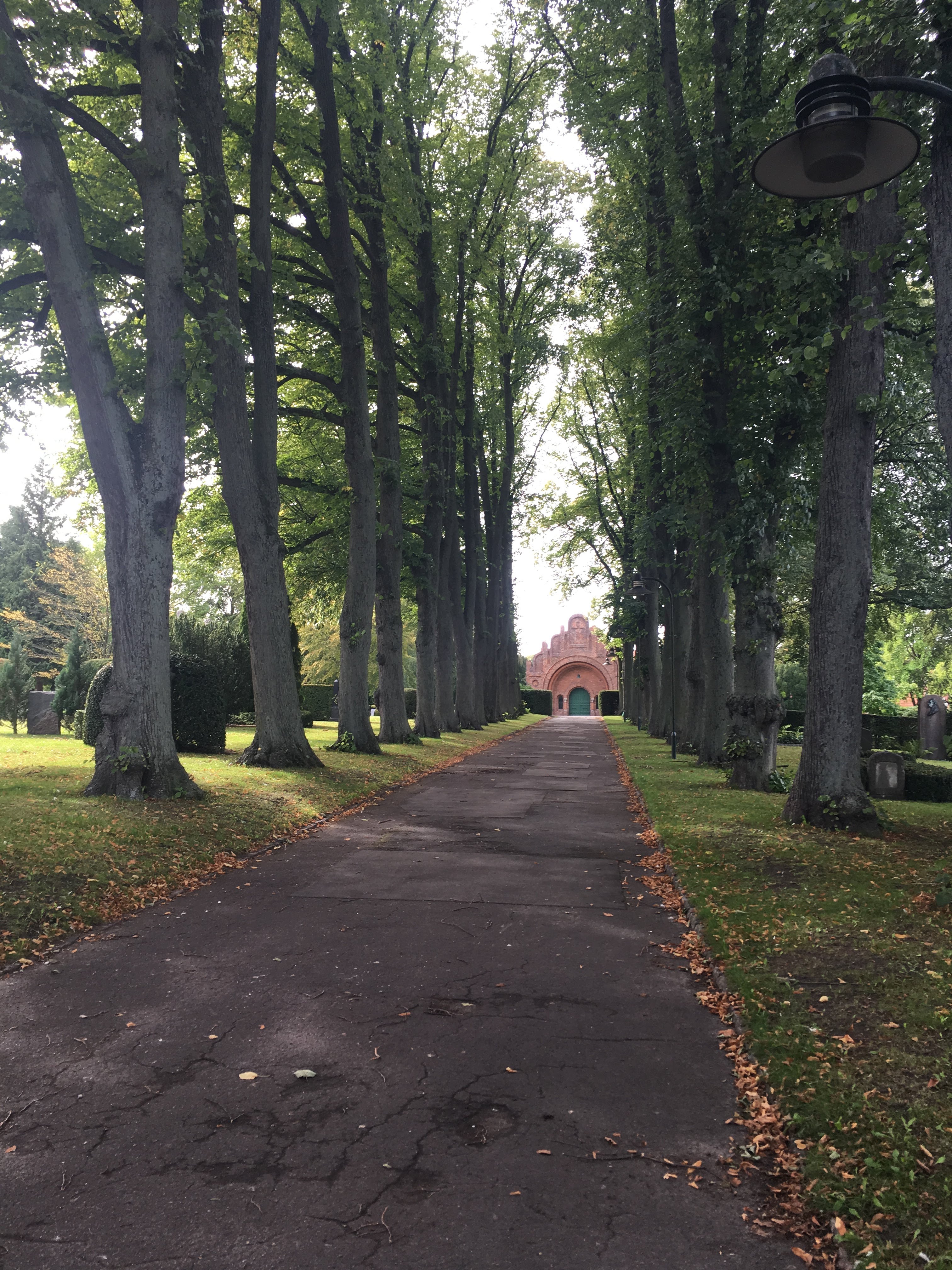
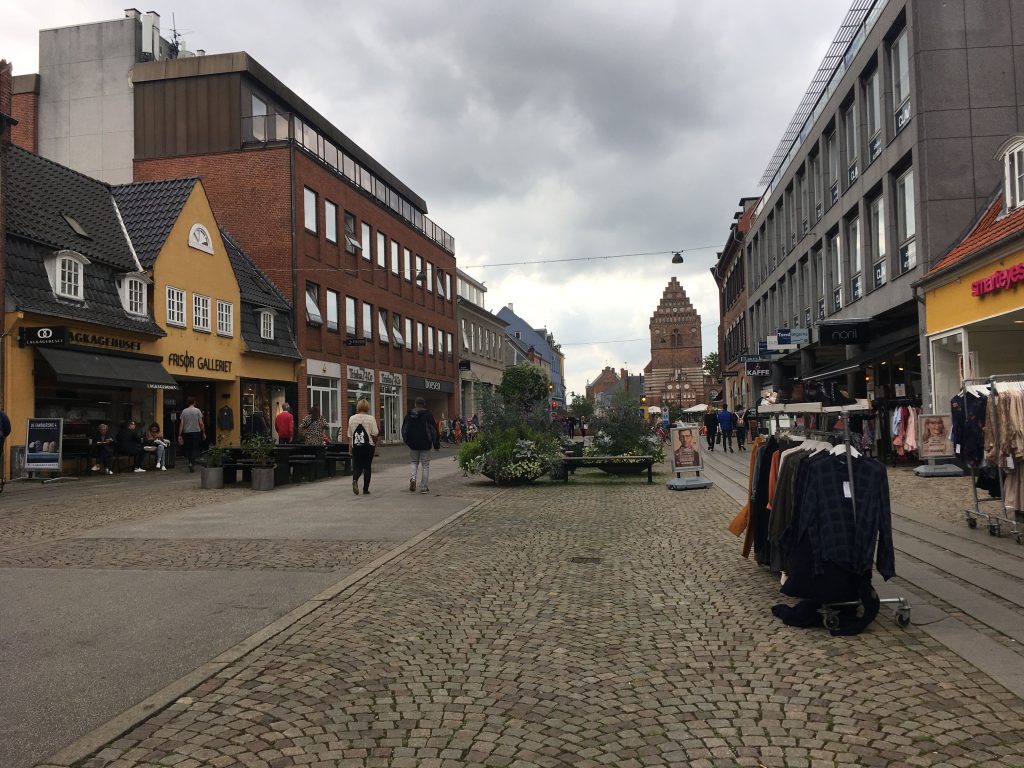
Hej! This past week I went to two cemeteries that looked almost identical. One in Nørrebro and one in Roskilde. It is common here to go on a Tinder date in cemeteries, have picnics, walk dogs, LARP (maybe–I made that one up). Cemeteries are for the living and the dead! It’s not much different in the U.S. Although you might not see as many Tinder dates in American cemeteries. Spreading out your smørrebrød toppings while surrounded by dead bodies may not seem like an auspicious start to a relationship.

Left: cemetery in Nørrebro. Right: cemetery in Roskilde. What’s with these tall lines of trees? Does the dead need their privacy?

On Wednesday, I walked around Frederiksberg on a group assignment for my Danish Language and Culture class. After walking past the monument several times without noticing it, I got caught in a hail storm and my group ran to take cover. I met up with the group at the Jeanne d’Arc Skolen and observed the statue in the rain. The monument commemorates the accidental bombing of the Jeanne d’Arc school in 1945.

That same afternoon, I took a bus up to Nørrebro for my Gender and Sexuality in Scandinavia class field study. By this point, my feet were soaking wet. My professor treated the class to warm bread and coffee and introduced us to the activist, Mary Consolata Namagambe. Mary was born in Uganda and grew up in Denmark. In the short bio she provided for us, she describes herself as a “Danish Ugandan activist, entrepreneur, writer, women’s rights and equality fighter and a law student.” She is the owner of She for She, a company in Kampala, Uganda that produces reusable pads. It goes without saying that Mary is one of the coolest people I’ve met.

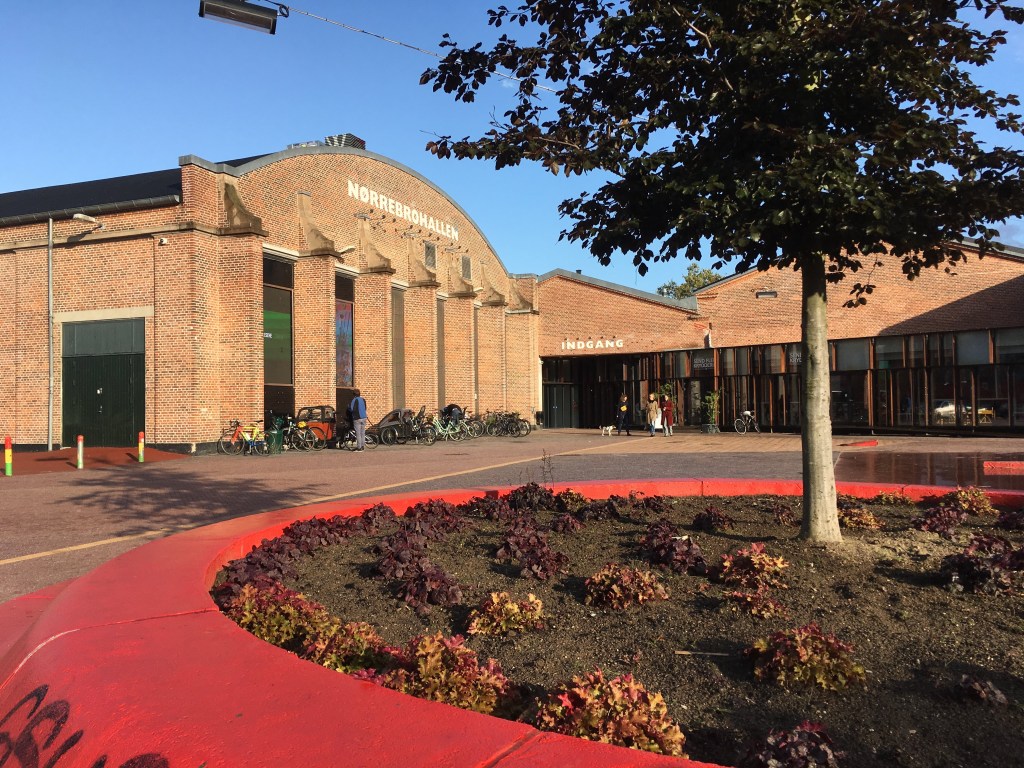
Mary showed us around Nørrebro, a multi-ethnic community. We visited the Red Square, Blue Square, a playground with architecture that reflects the different cultures of the people living in the neighborhood, a homeless shelter, and a cemetery. She told us about the history of the places and the people of color/migrant communities living there. I learned so many things on this tour. Mary told us about this deplorable politician who went to schools in Nørrebro–there is a large Muslim population in this neighborhood–and desecrated the Qur’an in front of the children. He went back to the Blue Square and did the same thing. The second time he came, families gathered around him and ignored him. The third time, no one showed up at the square. I can’t believe that people can get away with this and have a political platform (Then again, look at Trump in America). The Danish politician gained enough votes to participate in the election. It is scary that there are a lot of people who believe the same things that he does. 

The Red Square

Afterwards, my friend Jess and I debriefed while getting the best felafel I’ve ever had at King of Kebab Pizza and Grill.

On Thursday, my Postcolonial Europe class visited the Voices from the Colonies exhibit at The National Museum. We saw videos of the heartbreaking stories of a Greenlandic woman, Helene Thiesen, who was required by the Danish government to go to school in Denmark. She lost her Greenlandic language and could not communicate with her mother when she returned to Greenland. Although Greenland was granted Home Rule in 1979, they are still fighting for independence and are in the process of decolonization. 

On the weekend, I got to decompress. I reserved the daytime for homework, but hung out with my RoFH and DIS friends in the evening. I tried local beers at a microbrewery in Roskilde and danced with friends at a nightclub in Copenhagen. For me, 75% of the fun is in watching other people dance. 

Hope you all have a great week! Vi ses!

Race in Denmark Part 1

Race has been on my mind for a long time. Coming from Wooster, Ohio, I’m used to living in white-majority towns; being in the minority is nothing new. However, I’ve found that race is not discussed as much as it is at my college. Going into coffee shops, restaurants, classrooms, and many public spaces, I see about two or three people of color. I was not surprised by this, having been warned by my school’s director of Off Campus Study. Nonetheless, I was not prepared for the lack of discussion on this phenomenon. I’ve observed that when white people are in the majority, they don’t notice or speak up about racial injustice. I know I’m generalizing because there are many white people who actively inform themselves about issues they don’t face. 

Having very few people of color (POC) in my classrooms and housing feels isolating at times. It is burdensome to feel obligated to stand up for racial groups. I am very imperfect when trying to explain topics like cultural appropriation. I am not an expert; in fact, I don’t have many answers to questions about race. I just want to open up conversations about race so people can inform themselves. 

In my core course, we had three speakers talk to the class about race and governmental representation of Greenland in Denmark. Dr. Temi Odumosu (who told us to address her as Temi) and Regine Møller talked about their experiences of being Black and Greenlandic, respectively, in Denmark. Jens Heinrich, a Greenlandic representative in Copenhagen, gave us an overview of the history of the relations between Greenland and Denmark. Temi is an activist and senior lecturer of Cultural Studies at Malmö University in Sweden. Regine was a Parliamentary candidate for Greenlandic representation in Denmark in the 2019 election. She is the chairwoman of the Greenlandic association Nalik in Denmark. Temi told us about the images of the commodification of Black women that pop up everywhere in Copenhagen, while she rarely saw actual Black women in the city. These images propagated the belief in a “post-colonial” Denmark. She said that sometimes Danish people could use race for their entertainment and marketing products while glazing over racism that still happens in the country. She could explain it much better in her piece, Open Images or Open Wounds: Colonial past and present in the city of Copenhagen. 

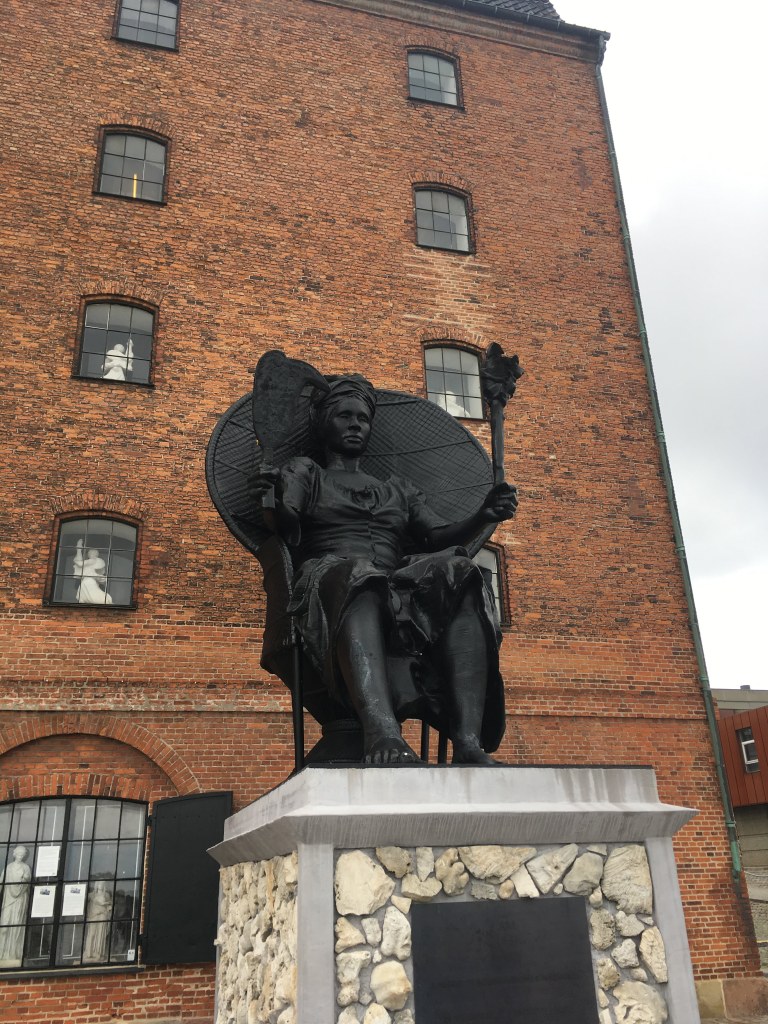
“I Am Queen Mary” towers over the tiny statue of Michelangelo’s David to the left of this building.

Outside of the museum in the West Indian Warehouse stands the statue, “I am Queen Mary.” It is a physical reminder of Denmark’s colonial past in the Danish West Indies which is now the U.S. Virgin Islands. The statue is an intervention in the narrative of a “post-colonial” Denmark. Queen Mary led a labor revolt against Danish sugar plantation owners in St. Croix in 1878. The statue commemorates the 100 year anniversary of when the U.S. bought the Virgin Islands from Denmark. Two artists of color, Jeannette Ehlers and La Vaughn Belle, conceptualized the idea. They had to fight to put up the statue. They have to clean the statue themselves. Their artistic work is an important addition to the Danish national narrative. I am so excited to meet Jeannette Ehlers at a seminar night for my class, Postcolonial Europe.

The activist, Regine Møller told us what it was like to be Greenlandic in the colonizer’s country. She told us that narratives of alcoholism, sexual abuse, and high suicide rates in Greenland tended to drown out positive narratives of the beauty of Greenlandic culture and decolonization movements. She has experienced many microaggressions in Denmark because she is Greenlandic.

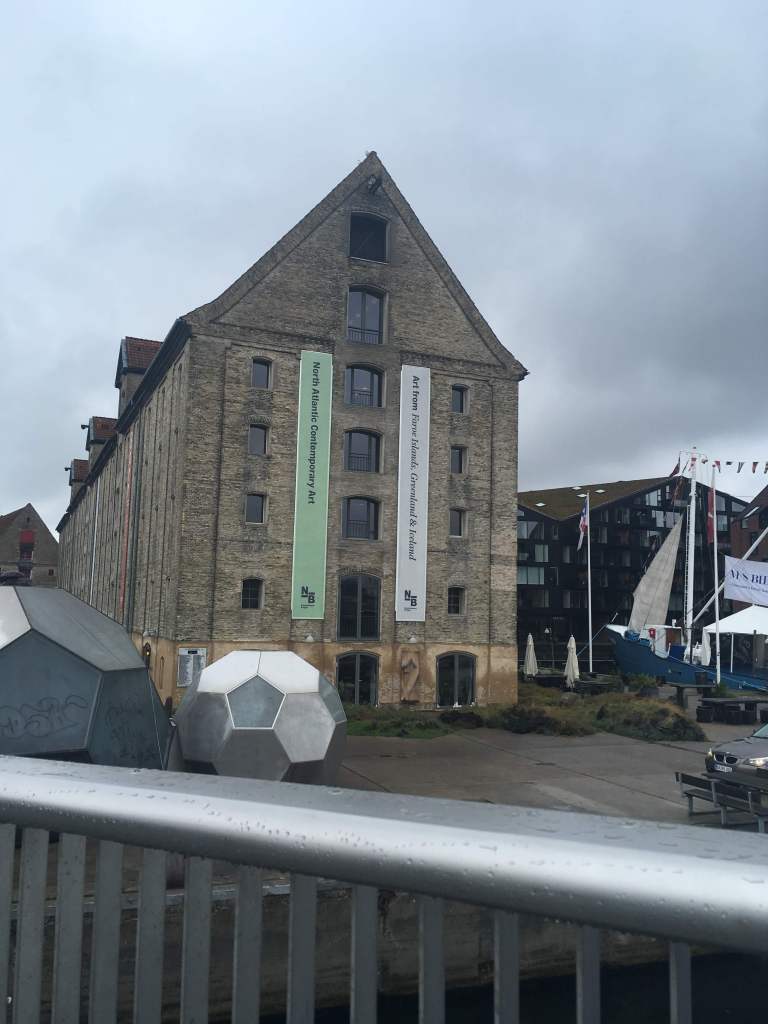
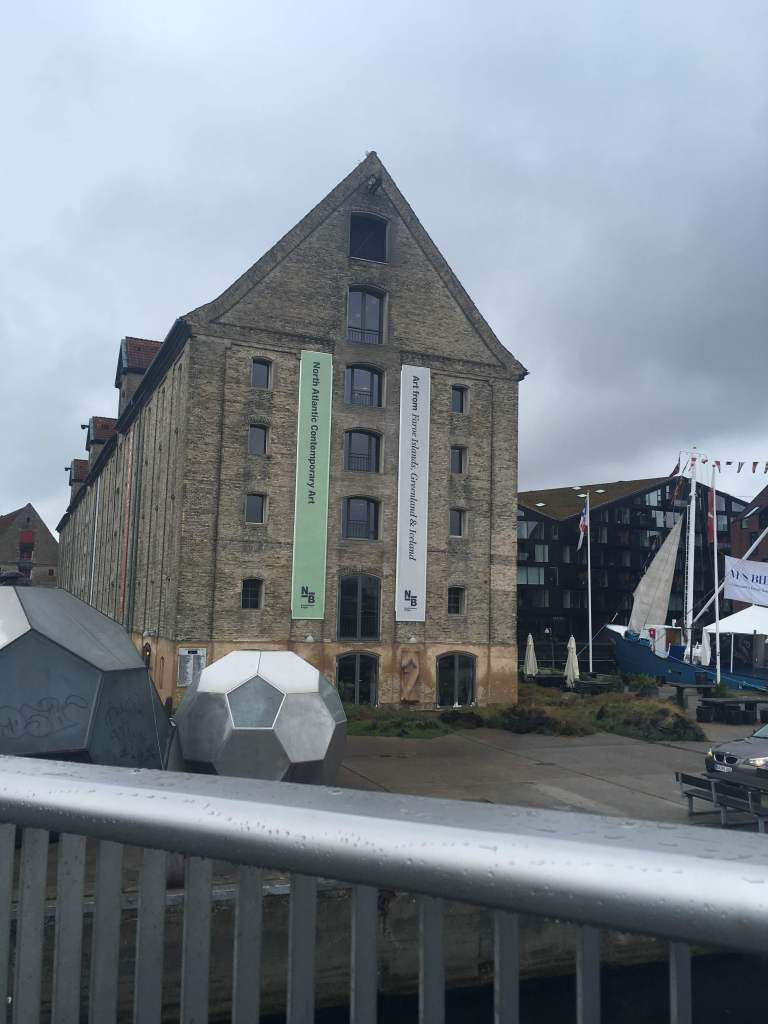
This is Nordatlantens Brygge where we met Regine Møller and viewed the Greenlandic art exhibit.

I am meeting so many amazing people in my class study tours. They are bringing up topics that are close to my heart.  I was not expecting to learn about race and colonialism in A Sense of Place in European Literature. But one’s “sense of place” is influenced by how they are perceived in different spaces. Race, ethnicity, gender, physical impairment, and so many aspects of identity shape how individuals experience a place. It makes sense that we don’t just learn about white Europeans’ experience of Europe. 

I looked up articles that described different experiences of Denmark and came up with these in addition to the links above:

  1. https://uniavisen.dk/en/comment-racism-in-denmark/

I don’t agree with “Until then, minorities in Denmark need to stand up and define themselves or Denmark will try to do the defining for them.” It shouldn’t be the minorities job to do the educating. White people should inform themselves and speak up when they think something is wrong. 

2. Racist Comment Provoked Me, Then Made Me Think

3. Racism plays a role in migrants exclusion in Denmark

4. Denmark has a national songbook: My Creative Nonfiction professor wrote this! Critics argue that the song book is supposed to be apolitical; however, who says Ramadan is inherently political? I looked in the song book and it has The Beatles’ “Happy Xmas.” Shouldn’t there be songs about different experiences of Danish people? There’s also a lack of songs by women, POC, and queer songwriters.

These are just a few articles. I have so much to learn about race in Denmark. One blog post will not cover it all.

Trip to Fanø

I knew that artists traveled to the small island Fanø to get away from their hectic city lives. That’s all I knew about the island before departing with my Core Course A Sense of Place in European Literature. Yesterday marked the end of Core Course week which began with trips to the West Indian Warehouse, Nordatlantens Brygge, and ended with a three-day trip to Fanø. I am impressed with how much DIS incorporates real-world Danish culture into the classes. We have the chance to learn from our teachers as well as other activists and museum exhibits. There are many lessons that happen outside of the classroom.

We took the ferry called Fenja–after the mythical women Fenja and Menja–from the industrialized city of Esbjerg to Fanø. From a distance, I got a first glimpse of the mostly green island with a few red roofed houses. I told myself that I would not be the tourist looking at the landscape through my phone’s camera. I managed to only take a few pictures to capture the essence of the island. Fanø is not a living museum exhibit. Three hundred people called Sønderho (the town at the southern tip of Fanø) their home and we needed to respect that.

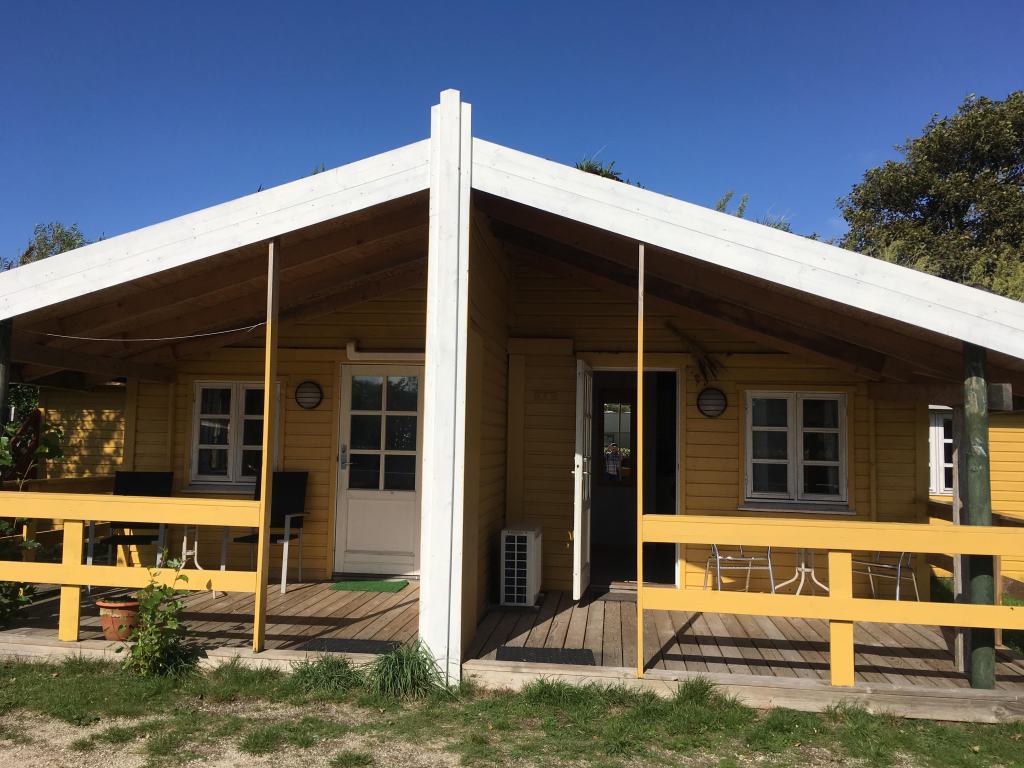
Our lovely cabin

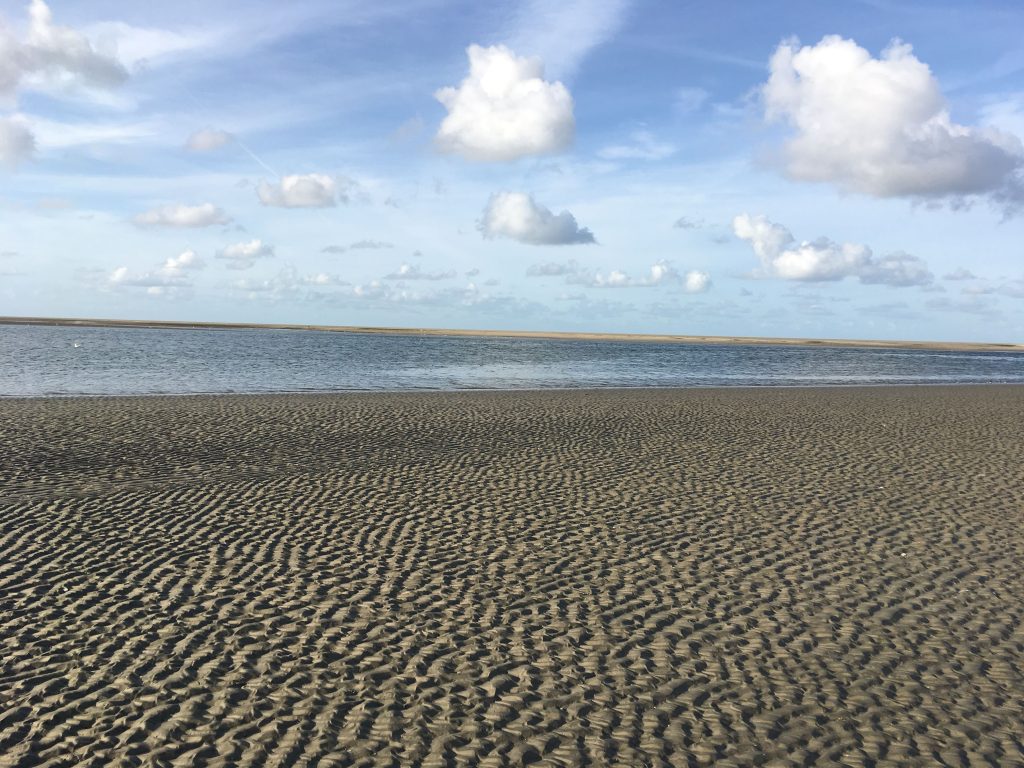
The day we arrived, we settled into our homey cabins, visited the only supermarket in town, and then headed out to the Wadden Sea with our Danish John James Audubon, Marco. Marco told us the history of the island and its involvement in World War II. You can still visit German bunkers on the beach. After eighty years, the concrete has completely set, ensuring that those painful reminders of the war will be there for a long time. It is hard to imagine that this island holds memories of many turbulent years in the peaceful landscape.

A local woman in Fanø, Kirsten, invited us into her home and she and her daughter made dinner for us. It says a lot about her that she let about twenty strangers into her house and served us all a four course meal. She and Marco told us stories in a tradition called “Darkening,” aptly named because we listened as the sun went down and the room became darker. It’s a very hygge tradition. I felt very contented, eating food and sharing stories in the candle-lit room.

The next day we met the poet Jeppe Brixvold and the musician Peter Uhrbrand in an old farmhouse turned into an event space. Jeppe performed his poems while Peter played his violin. Afterwards, we asked them about their creative process, Fanø’s culture, and the meaning of certain lines in the poems.

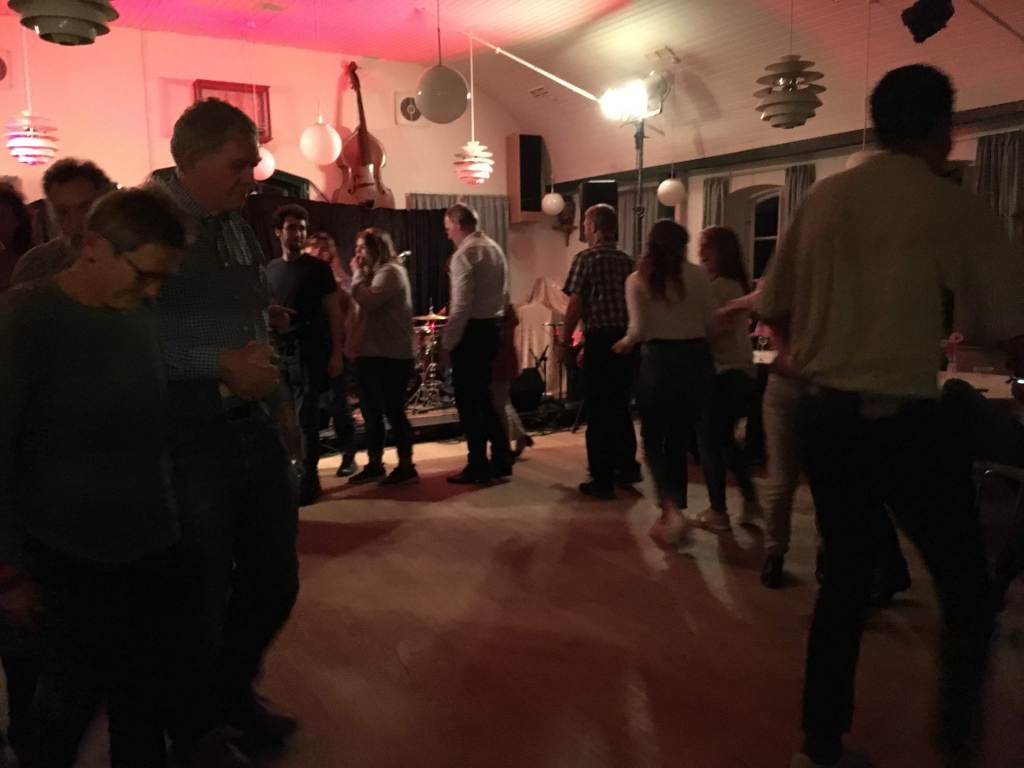
Mette got us tickets to a music festival happening that night. We were so lucky to be there at the right time. Earlier that day, we learned how to do the traditional dance of Fanø. The dancers looked like planets orbiting the sun. For the dance, you find a partner, hold hands with them, and walk in a circle. Then you grab your partner and spin in circles while still rotating around the room. Here’s a picture of the dance.

It got very cramped on the dance floor and partners would clash with other partners. I thought it was fun to bump into people like we were in bumper cars.

My classmate Lizzy became friends with a woman at the festival who invited her to visit her before we left. The next day, she gave us a tour of her eighteenth-century house. She told us that she does not consider the house to be her house. Many people inhabited the house before her. She is there to preserve the house for the next people who move in. I was not expecting to encounter the kindness of strangers in Fanø. We got to experience the non-touristy side of Fanø and observe the close-knit nature of the town of Sønderho.

It is comforting to know that the Wadden Sea is a Unesco World Heritage Site. Many generations will be able to visit the sea and admire it in its most natural state. In the morning when I visited the beach on my own, I felt a sense of peace. For a moment, I could let go of my future obligations and just listen to the wind blowing through the reeds.

Still processing…

So much has happened in this past week. As the title states, I am still processing. I’ve learned so much in my core course week and I want to have enough time to do it justice. Here is my week in pictures. I will post later with my thoughts on my core class and discussions on race.

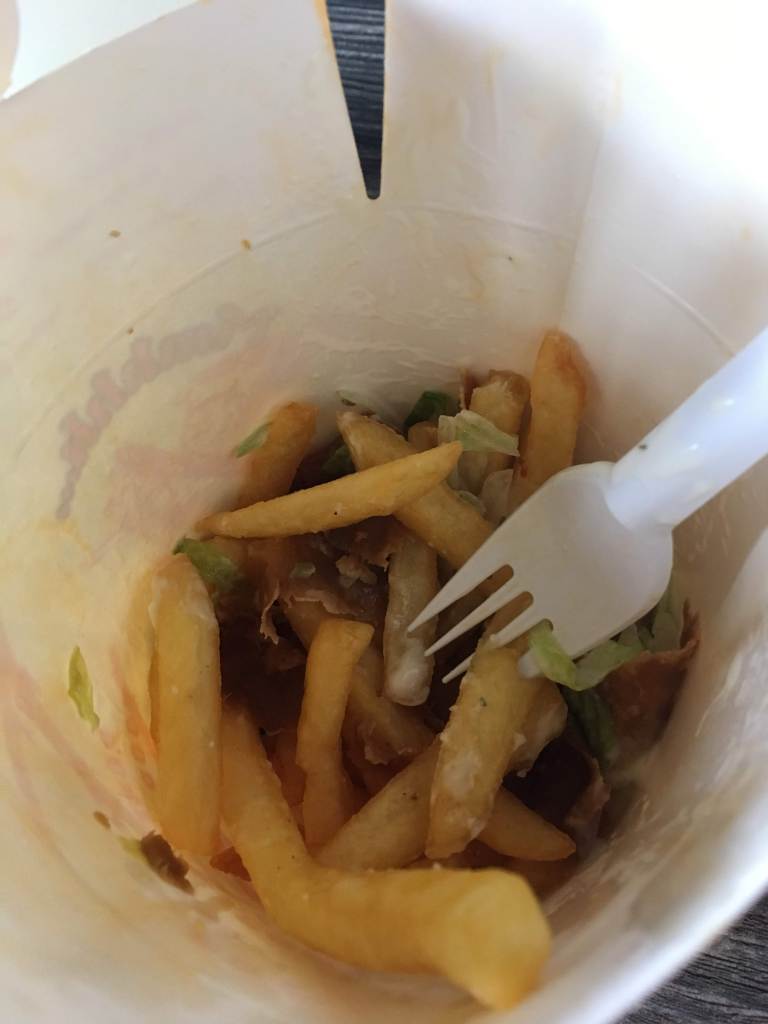
Friday: Thank you kebab in a box for cheering me up on a cold rainy day. That’s homework motivation for ya.

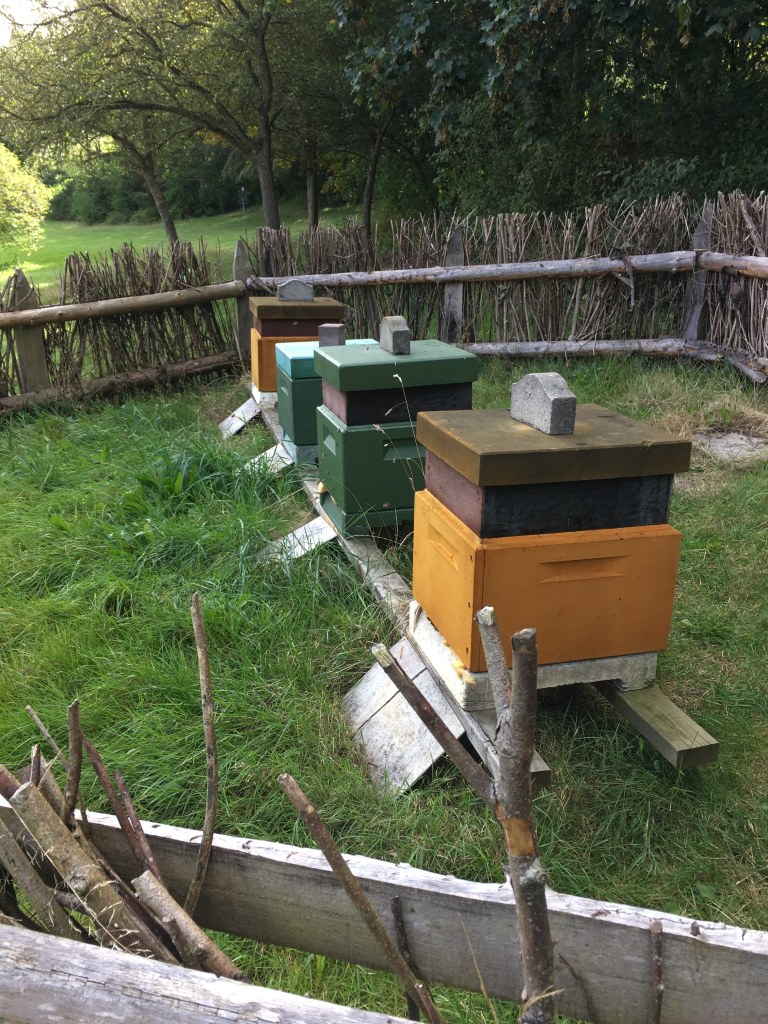
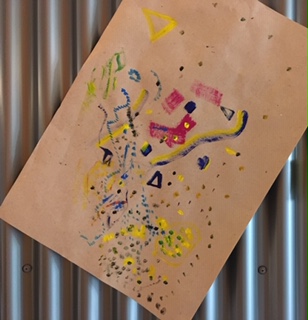
Saturday: I found these bees in a park and it made me so happy. Also, there was a party on Saturday with the RoFH and American students. The DIS students made their theme Pretentious Art Gallery. We painted pictures to put up on our dorm walls and other people used objects around the dorm to create art.

Sunday: Relaxation day. Homework and facetimed a friend. Here’s a picture of my “art.”

Monday: My core course took a field trip to the West Indian Warehouse. My teacher Mette showed us physical reminders of Denmark’s colonialism on the way to the warehouse museum. More on the museum visit later.

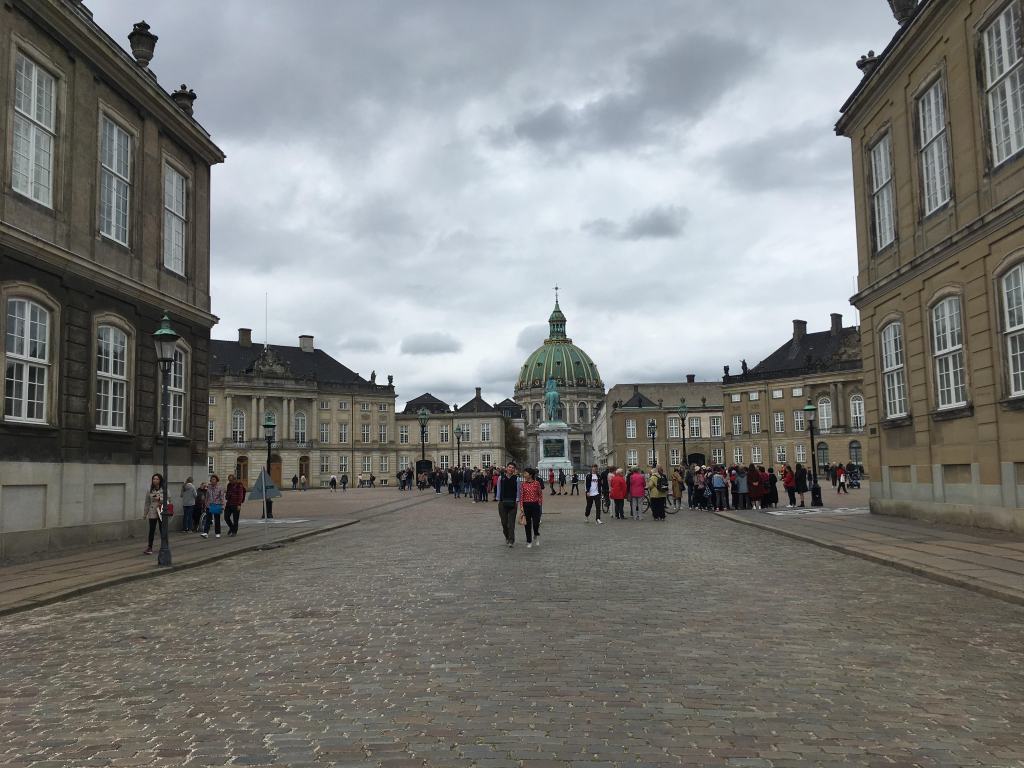
Amalienborg: Where the Danish Royal Family lives

Tuesday: My core course visited Nordatlantens Brygge where we went on a guided tour of the Greenlandic art exhibit.

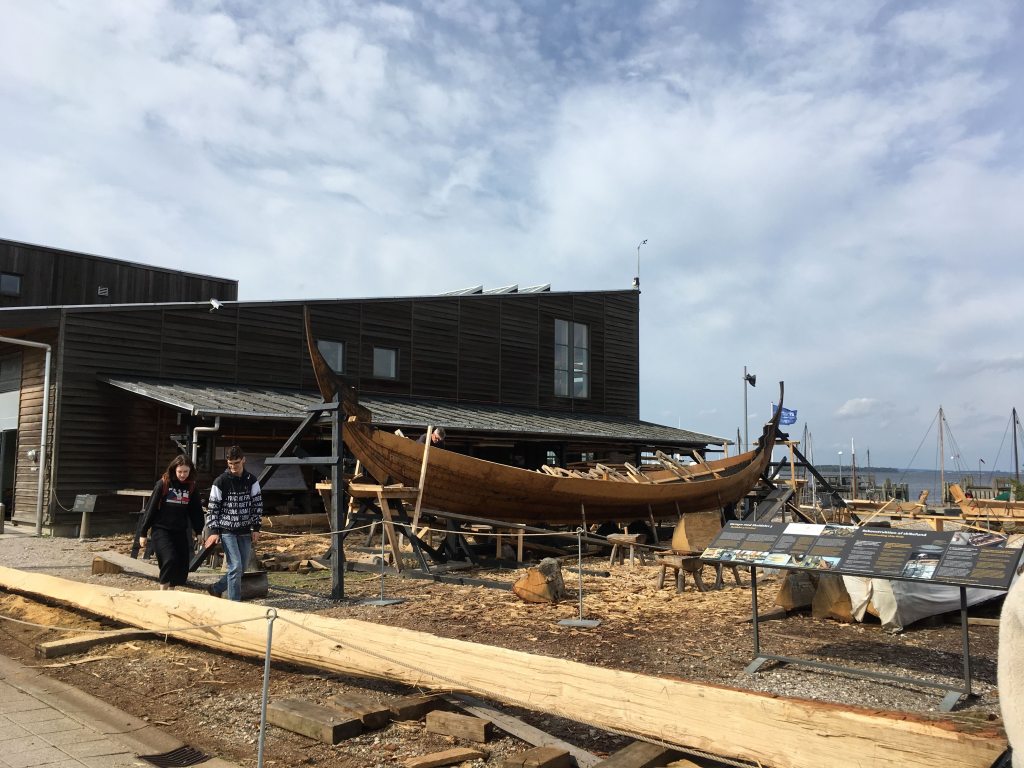
Wednesday: My friend Anthony and I explored Roskilde. We walked to the Fjord and saw Viking ships.

I know this only skimmed the surface. I’ll provide more details later!

Vi ses!

Ja Mand!

If you’ve seen the movie Yes Man with Jim Carrey and Zooey Deschanel then you will know what I’m talking about. In the movie, the Jim Carrey character challenges himself to say “yes” to everything. He goes on some fun adventures and ends up meeting Zooey Deschanel’s character in the process. I’ve been doing the same thing, to a lesser degree than Jim. So I said yes to exploring an art museum, yes to going to a concert Saturday night, yes to walking from Valby to Frederiksberg past the Copenhagen Zoo instead of taking the bus, yes to spending the afternoon with RoFH friends, and so on. So far, the “yes’s” have only brought me good experiences. This is still college and I have five classes worth of homework, but I’ve decided to let loose a little bit. When will I live in Copenhagen again? If saying “yes” led to Jim Carrey falling in love with Zooey Deschanel (their fictional characters)who wouldn’t want to follow in Jim’s footsteps? Of course, I will get all my work done too. 

Last friday, the højskole had an open mike night with music, game shows, poetry, and one risqué short story told in Danish. It’s been a wonderful experience to be surrounded by artsy people because there’s lots of inspiration for creative writing and they are cool people to hang out with.  We watched a play about digging holes together at a small theater near the højskole. Although I would never decide to go to a play as abstract as that on my own, it still opened my eyes to the many forms theater can take. 

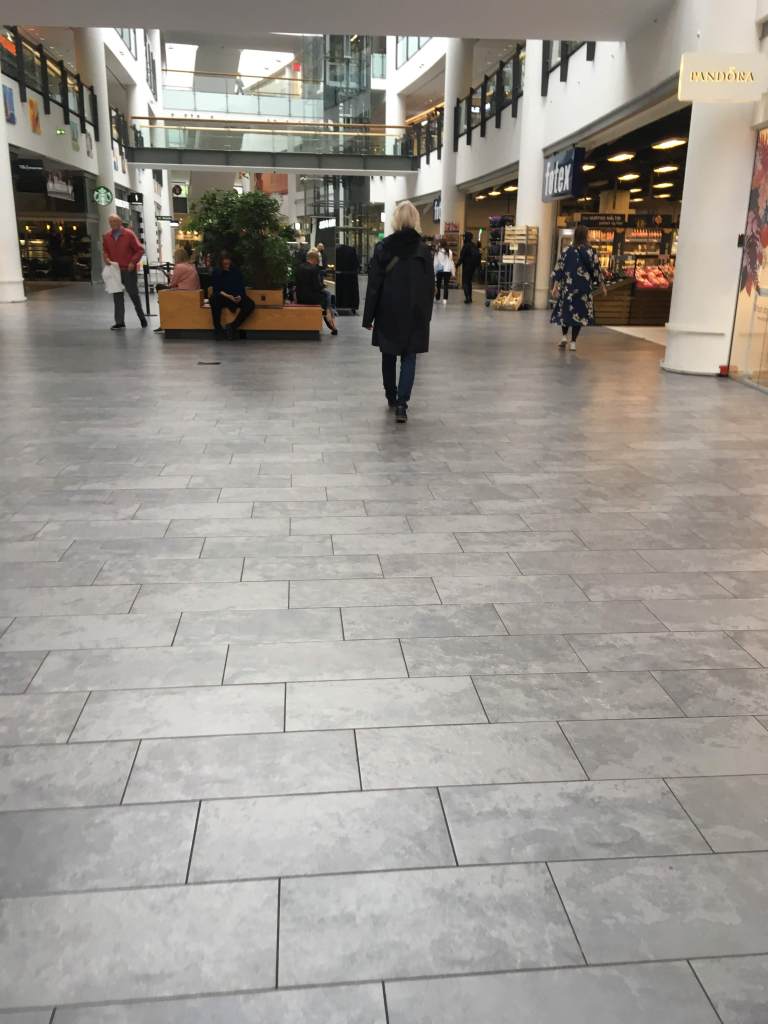
Malls are pretty much the same everywhere.

My Creative Nonfiction Workshop class took a field study trip to the Frederiksberg Centre mall to do some involved people watching. Afterwards, we gathered at my professors house for coffee, pastries, and to read aloud our people-watching stories. 

The temperature dropped to Fall weather on September 1st accompanied by a week of rain :). I probably won’t be swimming again until next summer. On the bright side, it is now my favorite season: sweater weather. 

Lovely Danish weather for you.

Since this is a DIS official blog, I thought I should clear up some details from the previous posts. 

  1. Our DIS community advisor convinced DIS to give us free rental bikes so that we could bike back and forth from the train station. 
  2. She also got us free Tivoli tickets!
  3. Laundry is not included in the tuition. We put money into our account and use our chip to activate a machine.
  4. Professors really care about their students’ mental health. I’ve seen several instances of teachers helping students access medical services. They are also sympathetic to our culture shock. 
My beautiful, noisy bike

Hej hej!

Hvordan går det?

There is a blurb in my Danish Language and Culture workshop that explains the meaning of “Hvordan går det?” It means “How are you?” but Danes don’t use it in the same way that Americans do. In Denmark, This phrase is used to start off a conversation with someone you already know. It is not a greeting for strangers. The U.S.’s popular greeting of “How are you?” can sound disingenuous at times. When I worked at McDonald’s, customers would come up to the counter and say “How are you? I would like a number one.” Usually, they would ignore my answer or they wouldn’t even wait for an answer. However, some customers actually care about the workers. Sometimes the answers to that simple question actually mean something to the person asking and the person answering. So there are positives and negatives with these social customs.

The same day I learned about this phrase, I stopped into Irma to buy flowers for my host family, and the cashier greeted me with “Hvordan går det?” He had to translate it because the Danish went right over my head. We struck up a quick conversation and I left Irma with the knowledge that he had an ex-girlfriend in Raleigh, NC. Wack, right? The customs and traditions I learn about in class are not the standard for all Danes. That would be crazy if everyone acted the same. I could read all I want about a culture and learn a lot, but living in the culture provides a much more nuanced understanding of it.

Back to the travel details. At Friday’s party, we had a 3 course meal with champagne. After we wined and dined, the teachers performed Robyn’s “Dancing on my own” and it was better than if Robyn showed up herself. We were drinking alongside our teachers! You don’t see that in the U.S. In different parts of the Højskole, there was dancing, karaoke, and people just talking. I even got up to sing a karaoke version of The Cranberries’ “Zombie” with our Community Advisor, Sofie. This Højskole has definitely changed me.

The next day, the DIS students planned on going to Tivoli, but we stopped at a harbor instead. Tivoli can wait. I think we reached Nyhavn, but I’m not sure. Maybe it was mini Nyhavn.

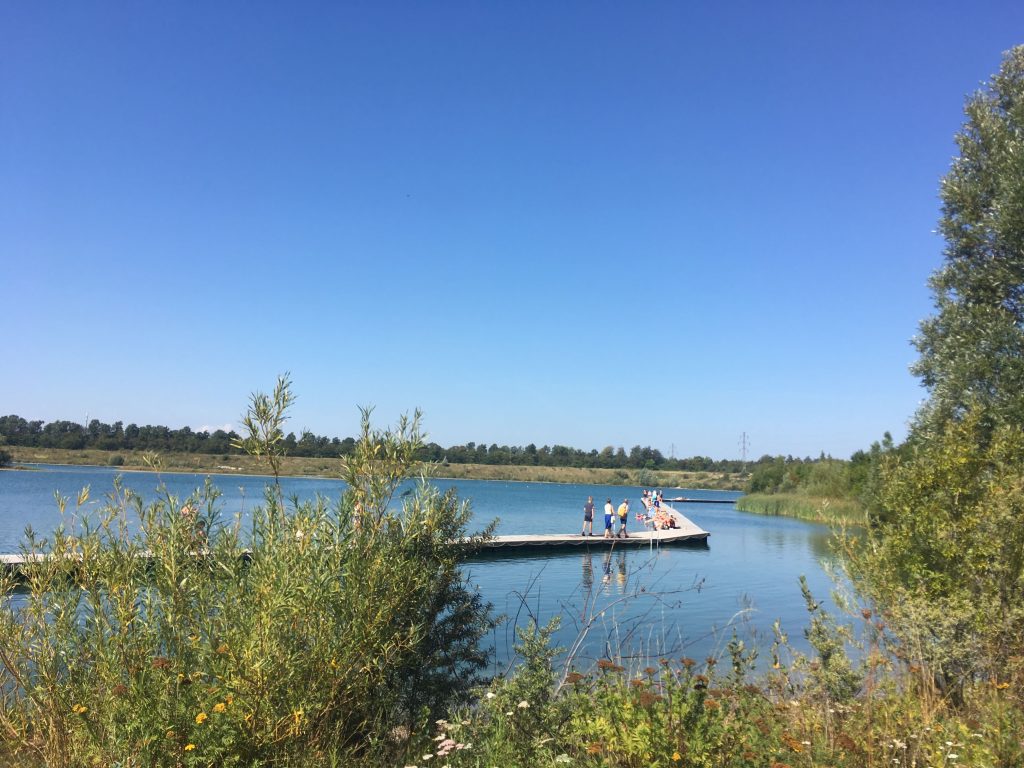
On Sunday, a RoFH student took us to an old quarry to swim. It was crazy how clean the water was. I’m not used to this in the middle of Ohio!

My visiting host family invited me to dinner at their apartment and then we walked around Frederiksberg. They are such sweet people. I’m glad I got matched with them.

On Wednesday I went on a field study with my Danish Language and Culture class to Gilleleje, Denmark. We went into a church/kirke that housed Jewish people during World War II. The teacher leading the tour told us that about 80 Jews hid in the attic and almost all of them were sent to Theresienstadt. We walked by the plaques on the ground marking where Jewish people hid from the Nazis and where they escaped to Sweden. One of the plaques said “hope” in Hebrew.

I know! It’s a depressing note to end on, but it was an eye-opening experience.

Vi ses!

What a week!

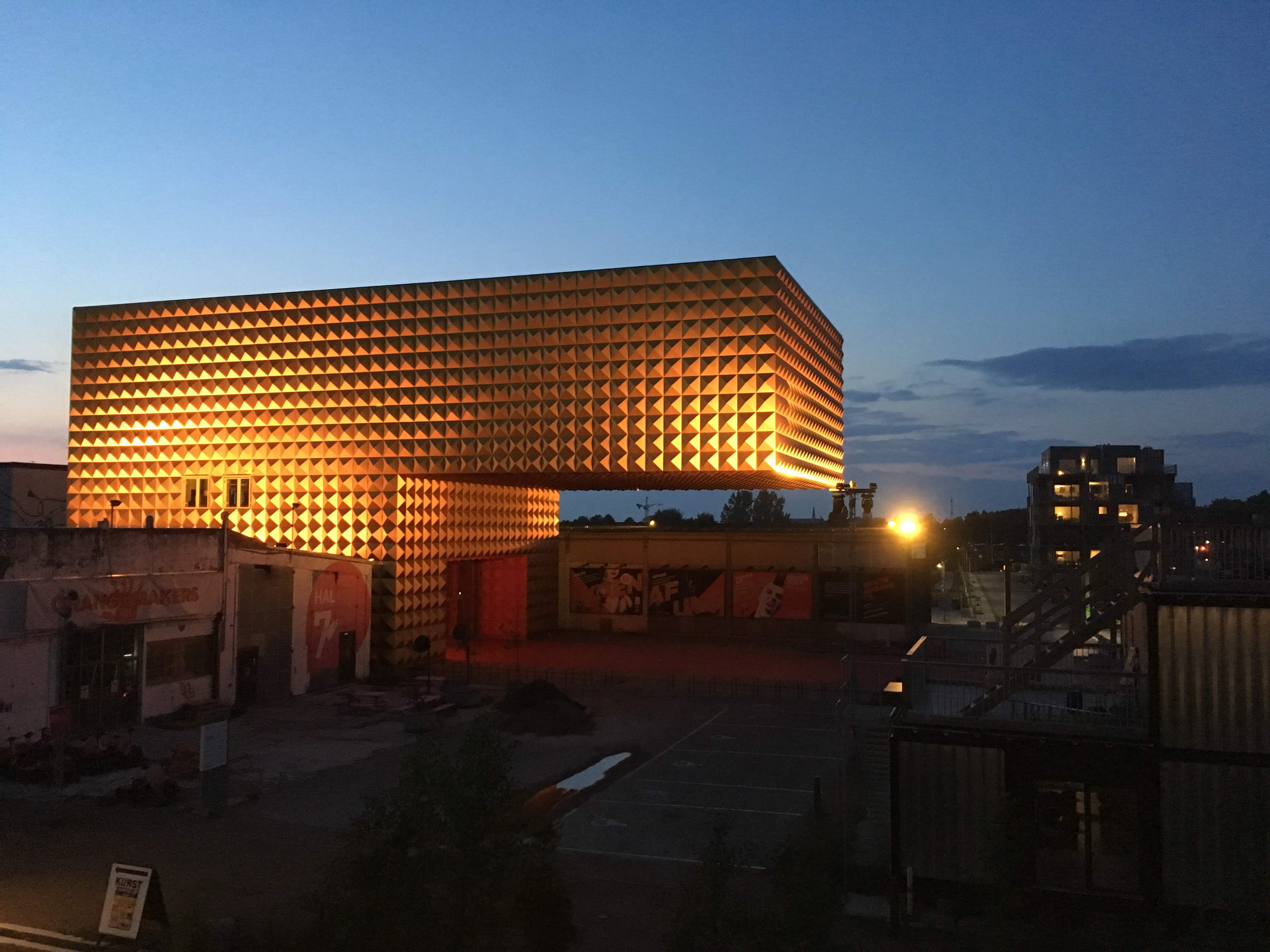
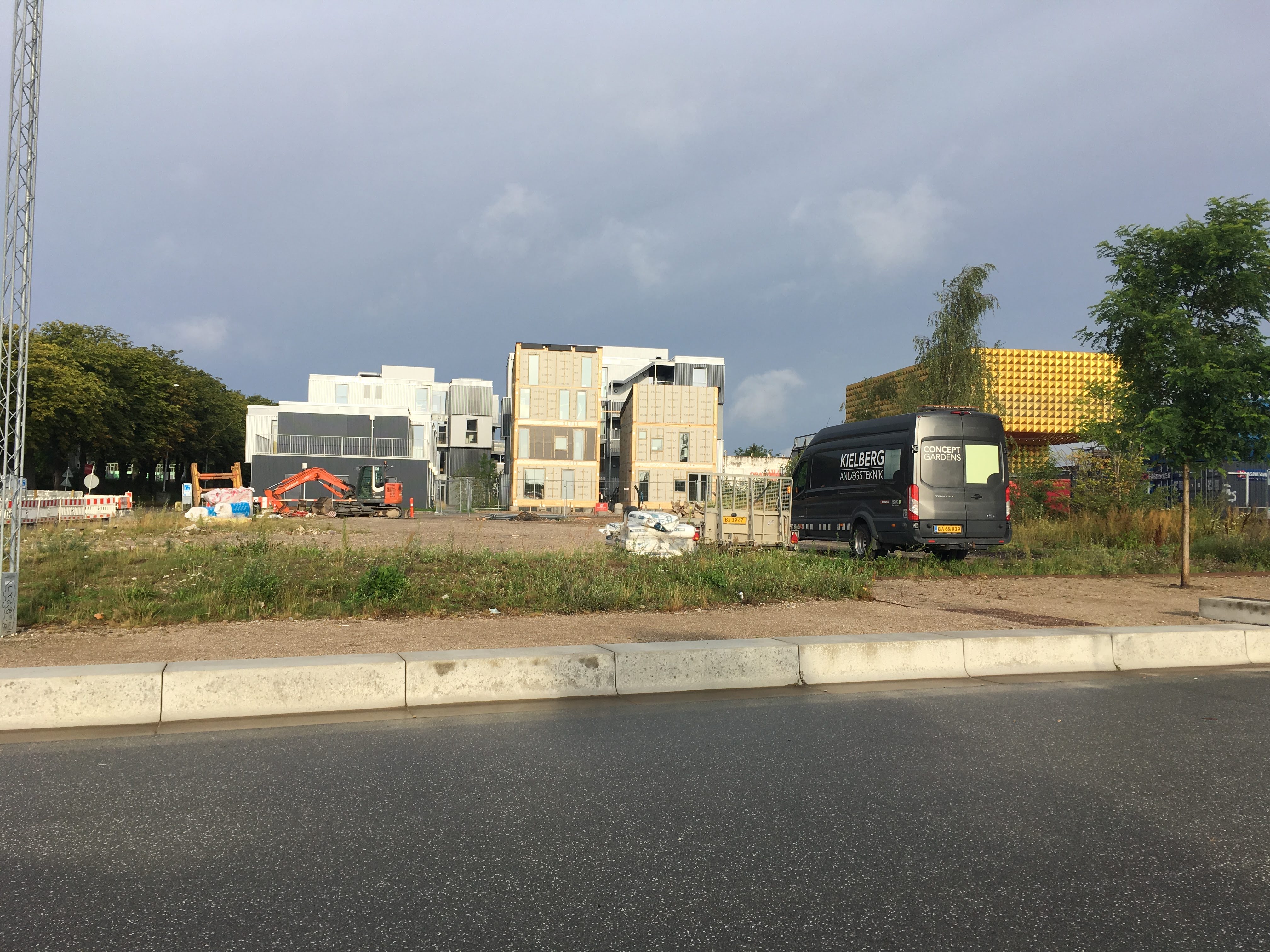
As I’m writing this blog post, I’m listening to Stevie Wonder’s “Superstition” playing outside my window coming from the bright yellow rock museum, RagnaRock, next to my dorm. Nothing is boring here. RagnaRock blasts Motown music of Aretha Franklin, Curtis Mayfield, Marvin Gaye, and The Supremes daily for most of my waking hours, which is not a bad thing. Sometimes I sing along when my roommate is not here.

RagnaRock looks like a Lego building

This is not a diary entry of my week, so I’m not going to tell you everything I did. A lot of the time, I am wandering around in the city of København or in Roskilde. Here are the highlights.

On Wednesday, we had our academic orientations. In my orientation for my core course A Sense of Place in European Literature, we talked about out texts. One is about the geography of novels. The other is The Fall of the King by Johannes V. Jensen which I was told is a Danish classic that is taught to Danish students in Middle/High school. So we’re getting a taste of Danish literature and Danish mindsets. At the end of our reading, I’ll probably be able to answer why this book is so important to Danish people and what it says about Denmark’s place in the world.

At the end of the class, our teacher Mette gave us money and a list of places in København to discover on our own in groups. These places were the stomping grounds of the fictional character, Mikkel, in The Fall of the King. My classmate Emma and I walked towards these sites, retracing our steps when we went down the wrong cobblestone street. Mette told us the money was for a snack along the way and admission to an art exhibit in Nicolaj Kirke, so we stopped at a coffee shop with books on the walls before heading to the museum. Admission to Nicolaj Kirke was free on Wednesdays, so we had extra money to spend on sightseeing. The exhibit was created by Korean and Danish artists collaborating and incorporating their cultures into the pieces. Emma and I did not understand the “artistic genius” of the modern art on the first floor, but the video on the second floor was very beautiful and depressing, which in my book is good art.

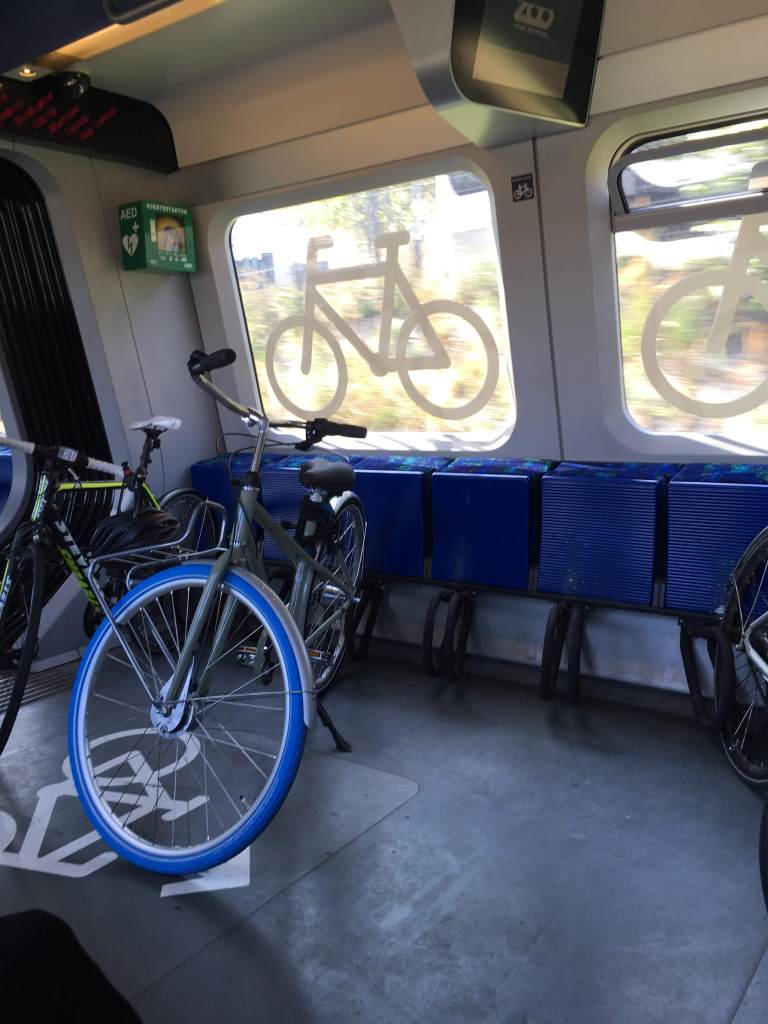
So far, I’m liking my transportation from Roskilde to København. I’m also learning how out of shape I am when riding my bike to the station. City life is very different and fun; there are so many places to discover, and new events pop up each day. It’s also great for people watching. My mom always said that she used to enjoy living in NYC because she could be anonymous there. I’m discovering that’s the case with me too. I’ve been pretending to be a Dane on the train and in the city, somewhat unsuccessfully. The trick for the train is to relax all face muscles and maintain a dead look in my eyes. Maybe one day, to mix it up, I will smile at everyone I see.

It’s always nice to come back to Roskilde after classes and cool down. Yesterday I hit the “Introvert Wall.” My only worries about this housing was that I would be interacting with people for breakfast, during school, and at dinner. That is intimidating and draining for an introvert like me, but I always bounce back. Maybe I’ll see if I can plan one alone night a week. There are so many things to do in the city, but remember that you don’t have to be doing something at all times.

I still feel lucky for being able to live in a Folkehøjskole with the RoFH and DIS students. I’ll write a post about food later, but here are two notes: portions are a lot smaller than I’m used to in the U.S., and there’s an evening snack after dinner around 8 or 9, which satisfies my hunger.

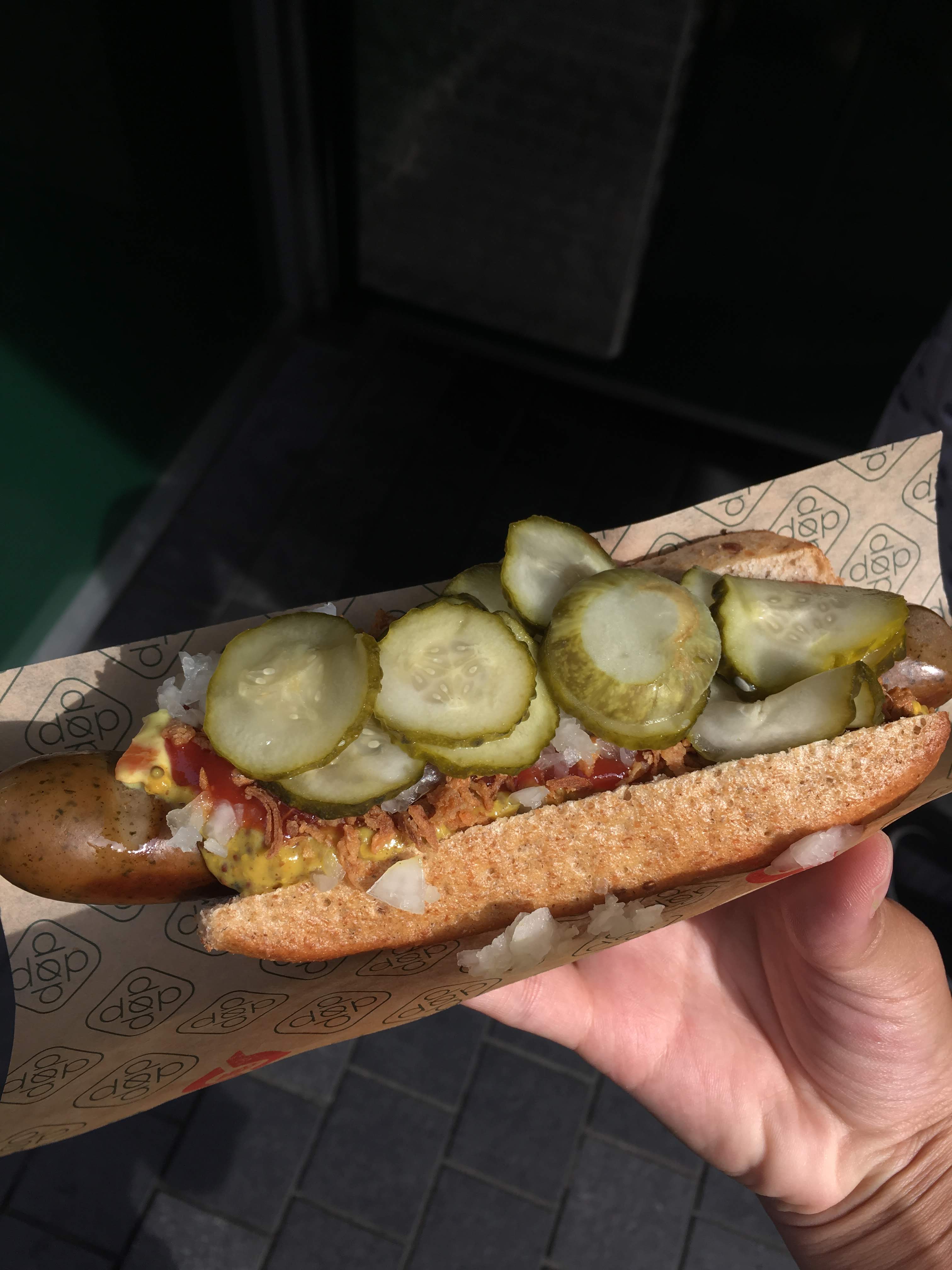
Friday was my “treat yo’self day” so I got a pork and wild garlic hotdog with the classic Danish toppings: sweet pickles, onions, mustard, ketchup, fried onions, and maybe something else(?)

Our contact person, Sofie, has a welcome party planned for us tonight. She said we will get an idea of Danish drinking culture. More on that later.

Hej Hej!

.

Folkehøjskole Living!

The Folkehøjskole building is on the left with the railing

Hej everyone! I have so much to talk about. The housing, dining, and the town of Roskilde are so new to me. But first I must make a correction to the last post. My syllabus for A Sense of Place in European Literature changed so that now we are reading German literature instead of Russian literature.

Arrival day came and went and I kept thinking to myself how this felt like the first day of college all over again. I met my roommate in the hotel where the DIS students gathered for transport to our housing locations. We were both overwhelmed with all new things we have to get used to–transport, phone plans, budgeting, etc–and I was overwhelmed by all the new students crowded in the room.

We were greeted by a gray sky and cool weather which was a nice relief from the hot and humid weather of North Carolina. Pants weather, but not quite sweater weather. I almost fell asleep on the beautiful hour-long drive to Roskilde. The landscape became greener as we drove farther from the city center of Copenhagen aka København.

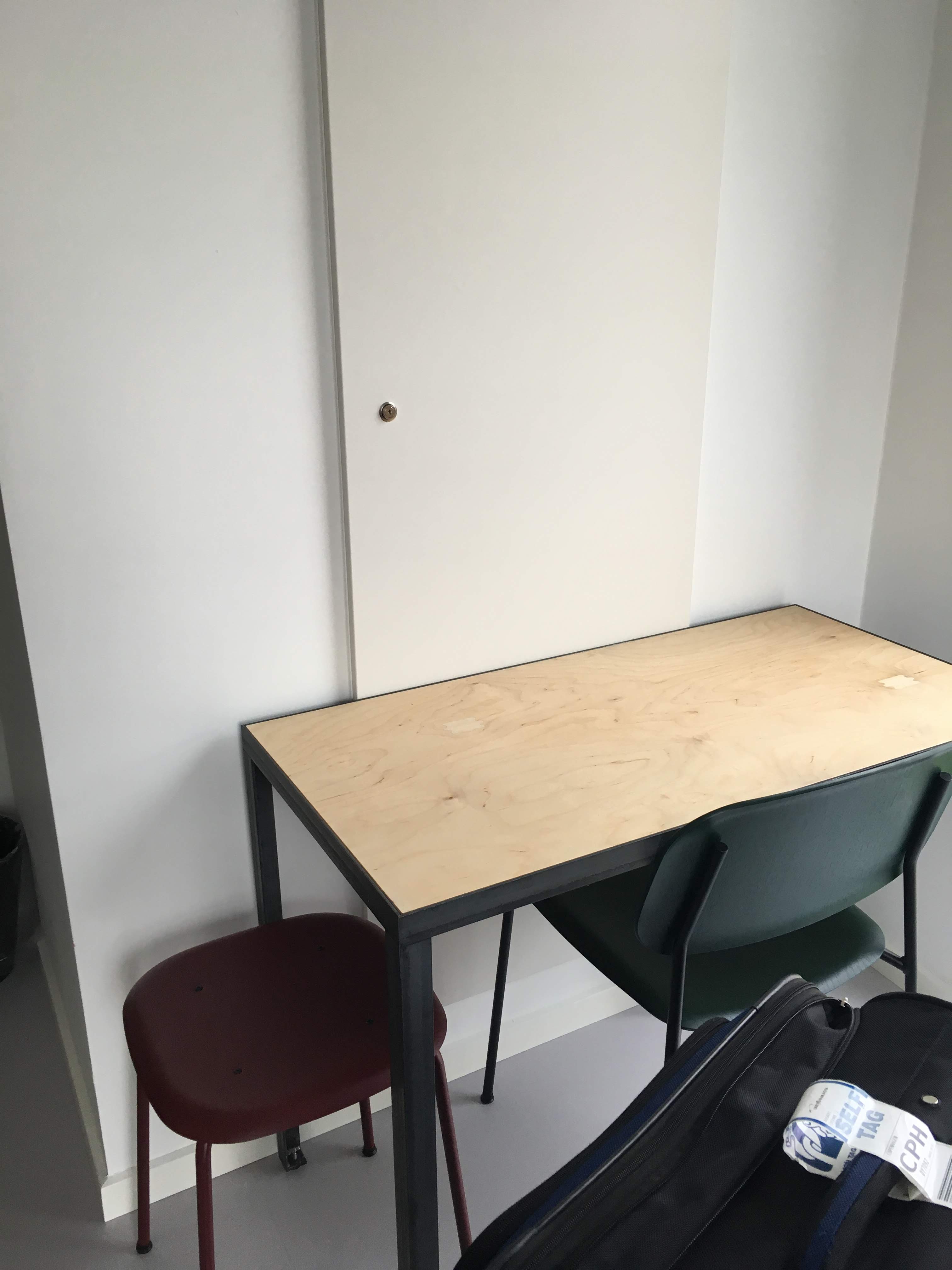
So far, I’m in love with my housing. In the main building of our housing community a group of about seven smiling Højskole students met us. They showed us to our dorm building. I’m reluctant to call it a dorm because it’s so different from the dorms I’ve seen back in the U.S. The bright colors and wooden furniture remind me of an Ikea bedroom display. All the walls are corrugated metal which gives me the feeling of living in storage locker, albeit a nice cozy one(I learned that these are shipping containers). My roommate and I gawked at the size of the room. When people talk about Scandinavian minimalism, this is what I imagine. We got two beds with lamps attached to them, a desk the size of a coffee table or a foot stool, and cabinets. It looks so sleek and minimal that it gives me a calming feeling. Wait four months and we’ll see how tidy it is then.

That’s our footstool…oops, desk. We can sit at the table and contemplate the meaning of our existence while staring at the blank white wall.

About 16 DIS Students and 30 RoFH students live in this building with the DIS Students occupying the second floor. We all had dinner in a dining room with long rows of tables, the DIS students interspersed with the RoFH students. The Roskilde Folkehøjskole has a nice community feel. The RofH students and Sofie, our contact person, explained how Folkehøjskoles work. They are all around Denmark, some in Sweden and Norway. This Højskole that we are living in is an art school. RoFH students come here to explore the arts and develop their talents in technology such as robotics and video-making in addition to arts such as carpentry, music, dance, painting, etc., and we (DIS students) get to talk to them! I think we are also able to use their musical instruments if we ask the teachers.

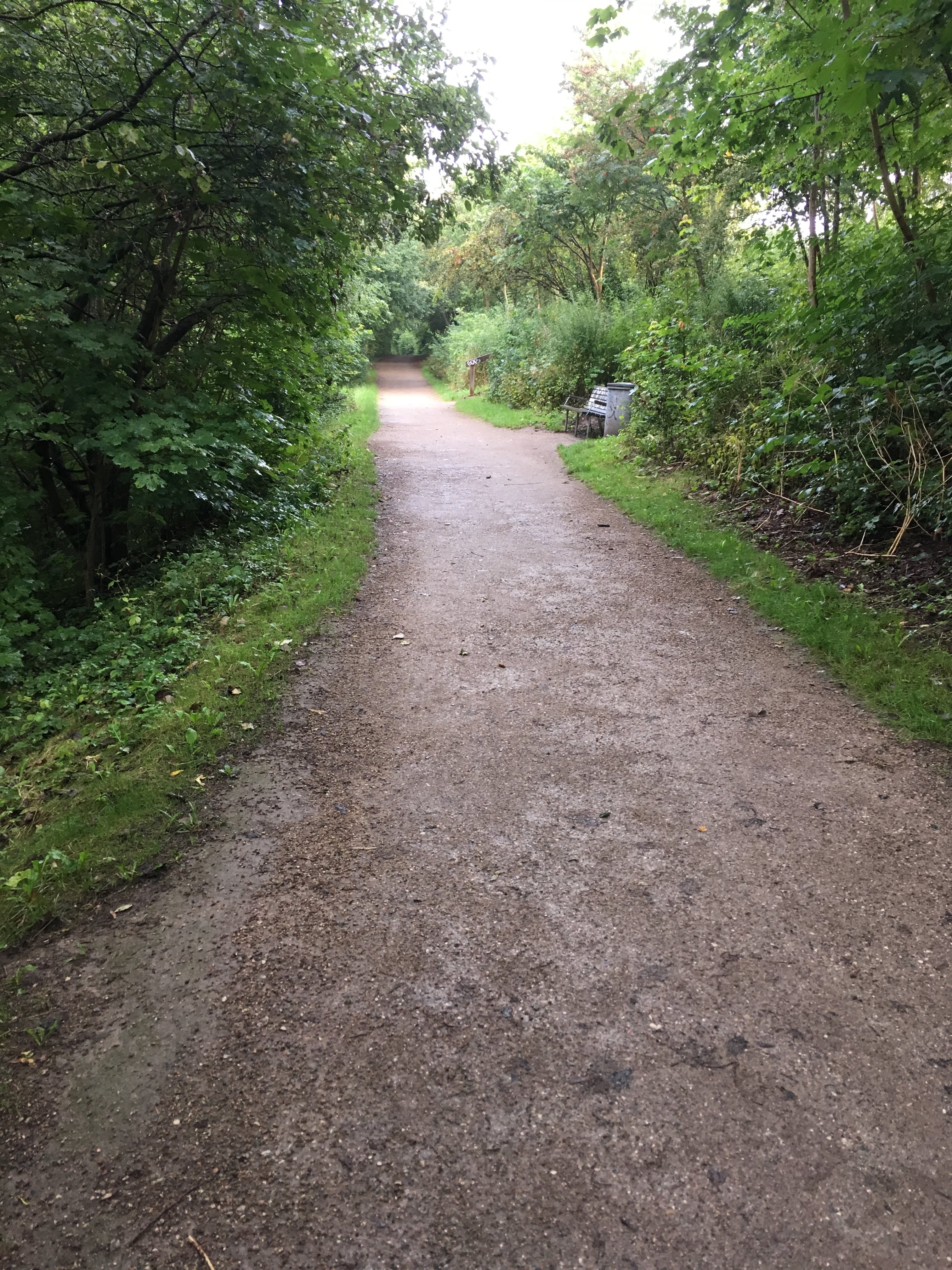
I don’t want these posts to get too long, but I have so much to say. I didn’t scratch the surface of the little community around the Høskole. There’s a tattoo parlor, microbrewery, cafes, restaurants…But for now, here’s a picture of the nature trail I found across the street from our housing(As you can see, I am so in love with my housing):

Sofie has a lot planned for us this week in terms of getting-to-know-you activities. Next post will be about that stuff and DIS’s new student events.

Farvel!

Preparing for Denmark

July 31, 2019

Waiting to go to Denmark
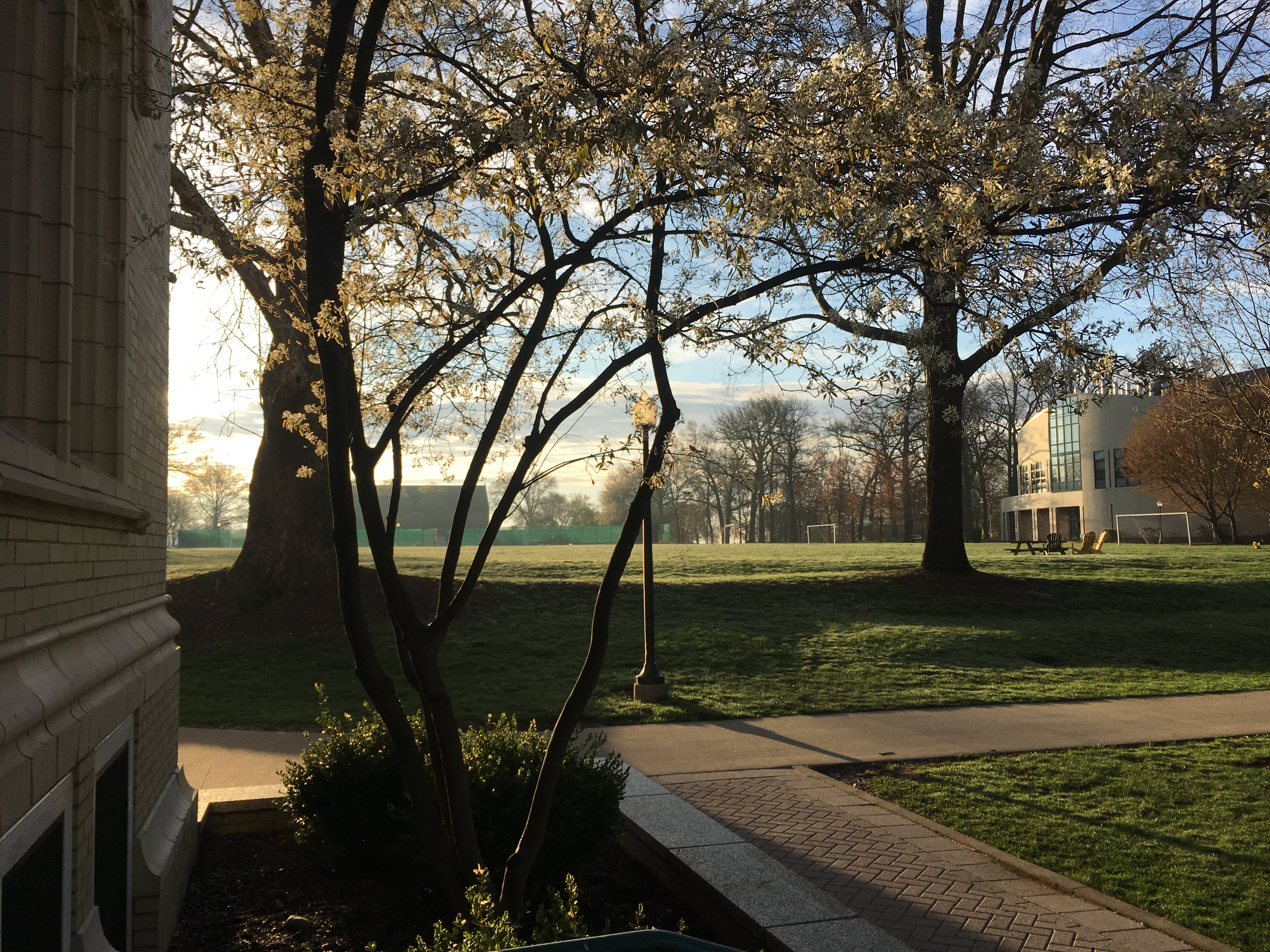
Enjoying the views of my campus and waiting to go to Denmark

To move, to breathe, to fly, to float,
To gain all while you give,
To roam the roads of lands remote,
To travel is to live.

— Hans Christian Andersen.

Farvel! Tak! Neither of these words mean hello. I just like the sound of them. Farvel is a sweet sendoff and tak is the curt-sounding “thanks”. Tak, Duolingo! I’m going to learn more about the Danish language and culture in my Fall semester abroad in Copenhagen with the program DIS. If you’re reading this blog, you are a. thinking of traveling to Denmark, b. Want to live vicariously through me, c. considering studying abroad at DIS, or d.  my family and friends.

I chose DIS Copenhagen because travel is built into the courses. Not only are we learning about these fascinating subjects taught by professors who are professionals in their field, but we are also traveling to the places we learn about. For example, in my core course, A Sense of Place in European Literature, we are going to read Danish literature and travel to Fanø, Denmark and then read Russian literature and travel to Berlin, Germany(we were going to go to St. Petersburg, Russia but there were visa complications). There are many study abroad options for English majors because we can read and write anywhere. 🙂 I chose Copenhagen because it seems like a very artsy-fartsy city–perfect for a future writer–and I’ve never been to Scandinavia. I’ll get a chance to live in a European city before leaving college and worrying about debt!

Down to the nitty gritty–sort of. I actually think the planning and specifics of a trip is the fun stuff. For Fall of 2020, after about 5 different adjustments to my schedule, I’m taking Danish Language and Culture Level 1, Postcolonial* Europe: Narratives, Nationalism, and Race, Gender and Sexuality in Scandinavia, Nonfiction Writing Workshop, and my core course: A Sense of Place in European Literature. Through my courses, I will learn about history, culture, art, language, and politics while having a creative outlet in the writing workshop. 

*I think most of the class will be about why Europe is not postcolonial.

Housing: At first, I wanted to do a homestay which means living in a Danish family’s home. But on further reflection, I made a 180 degree turn. A lot of people LOVE homestay, but I want to live in a community of Danish students or DIS Students. In order to meet a Danish family and hang out with them, I signed up to see a visiting host family once a month. For our housing applications, we chose our top 3 housing options. I chose Folkehøjskole, Living and Learning Communities (Green and Social Justice houses), and Kollegium. I’m not going to tell you what my favorite one is, because I might not get it. My next post will have more specifics on housing.  

Some research beforehand

I don’t jump into anything without doing research first. Denmark is not the perfect country people make it out to be. Here are some articles and videos that gave me some insight into Denmark: 

Meik Wiking’s “The Dark Side of Happiness”

In addition to shedding light on the happiness/suicide paradox in the “happiest country in the world,” Denmark, this video also made me confront my addiction to social media.

This article is about how Copenhagen is coping with climate change: 

Also, the TV show Bron/Broen (2011), which is already gripping

Food: 

The Copenhagen episode of Somebody Feed Phil

The Copenhagen episode of Anthony Bourdain’s Part’s Unknown in Season 2

My former English teacher’s blog, Scallion Pancake: https://scallionpancake.com/blog

Here are some random things I’ve learned:

  1. Don’t be an obnoxious American and eat the Smørre­brød (open-faced sandwiches) with your hands. Eat them with silverware. 
  2. Small talk is not really a thing among Danes (fine with me!)
  3. Hygge means being comfortable. Hang out with family or friends by a fireplace in your most grandma-like sweaters
  4. I won’t get into Noma
  5. Go to open air markets, e.g. Torvehallerne
  6. Eat licorice even though you aren’t a licorice fan. When in Copenhagen?…
  7. Apparently, Danes do American food like hot dogs and burgers very well. 
  8. Once again, I won’t get into Noma. I wouldn’t be able to afford it anyways. 

You can see what I’ve been up to this summer! Get ready to hear about food, travel around Europe, classes, the arts, social life, etc. 

See y’all soon,

Lillie

Design a site like this with WordPress.com
Get started