Hej! This will be useful for DIS prospective students considering living in the Folkehøjskole option for the semester abroad. Here’s a brief history of the Danish tradition of the Folkehøjskoles:
There was this dude named N.F.S. Grundtvig, someone you would call a Renaissance man, who founded the first folkehøjskole(AKA folk high school) in 1844 in Southern Jutland. Grundtvig wanted to enlighten the Danish people with this education option for people from the age of 18 and up. The first people who attended these schools were farmers. Now students use it as a gap year where they develop their talents and figure out what they are passionate about. Grundtvig believed that learning was not a means to an end, but something that we should take part in throughout our lives. Learning for the sake of learning. Since then, about 100 folk high schools have popped up in Denmark and around Scandinavia. I know of folk high schools in Tennessee and North Carolina!
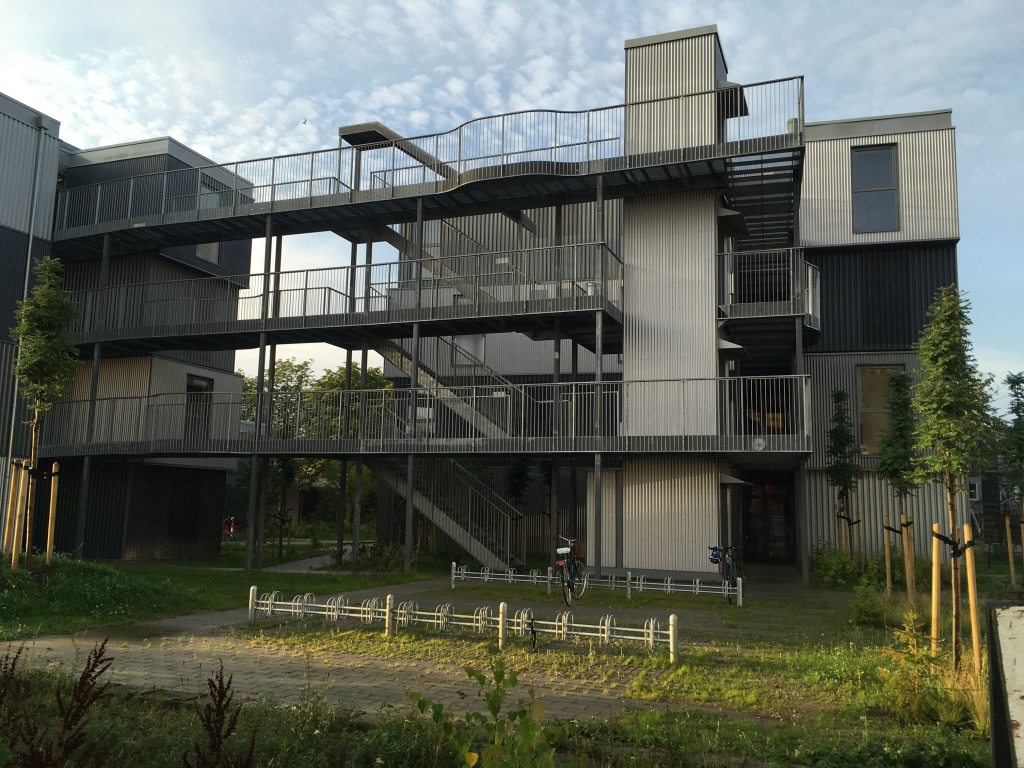
I am at the Roskilde Festival Højskole in Roskilde, Denmark. We call it RoFH for short. It is brand-spanking new; the first semester was last spring of 2019. RoFH students help organize the annual Roskilde Festival, one of the largest rock festivals in Europe. There are a lot of musically-minded students here. The other option was Grundtvig’s Højskole which has more students and has been up and running longer than Roskilde Festival Højskole. That højskole has a 90 minute commute time, while the Roskilde højskole has a 50 minute commute time.
Before I looked at the housing options at DIS, I had no idea what a folk high school was. I chose the folk high school because I would be immersed in Danish culture and I would be in a community of creative people. RoFH has philosophy, journalism, art, “outdoor leadership,” music software, woodshop, film, and politics courses. There are so many courses. I did not list all of them.
These are the pros and cons of the Folkehøjskole:
Pros:
– You can become friends with Scandinavians (Some højskoles have students from around the world)!
– DIS students can take some classes with the højskole students with the permission of the teachers.
– Nice community feel: eating meals with other students, going to parties, hanging out.
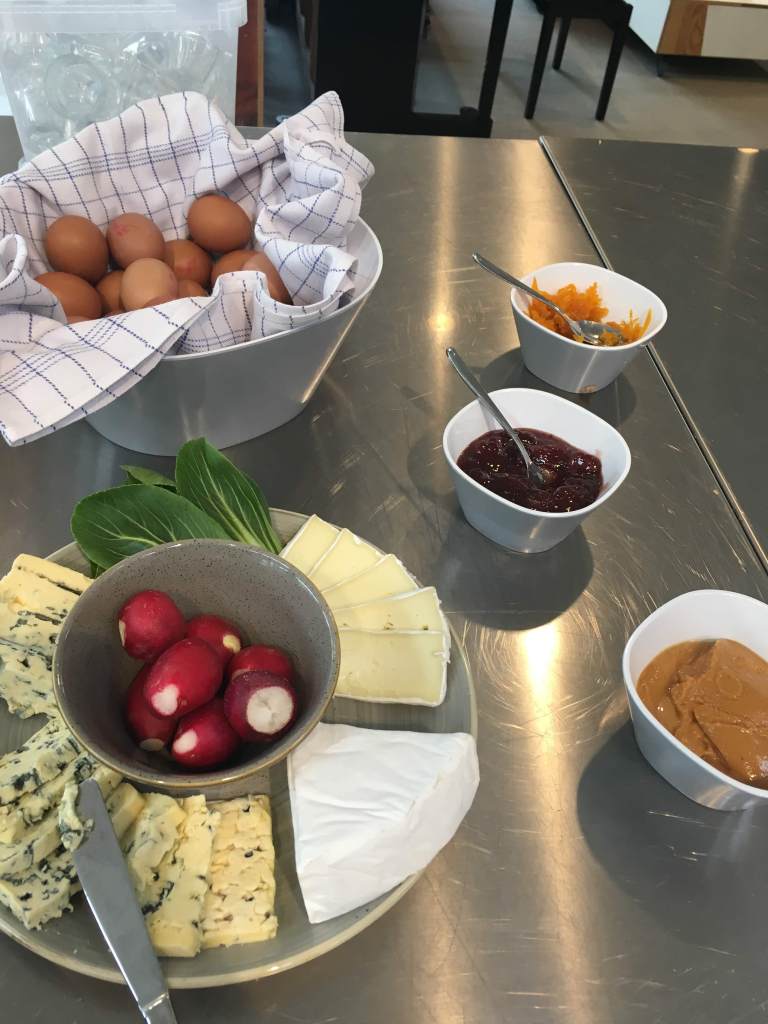
– You get two meals a day prepared for you.
– You’re surrounded by talented, artsy people. There’s a lot of inspiration for artists around here. There is a theater very close by, you can take dance lessons nearby, a speaker–such as a musician, politician, artist, etc–comes to the højskole every Wednesday. A lot, but not all, of the talks are in Danish.
– There are many fun things to do in Roskilde such as going thrift shopping, going to the Viking museum, eating felafel, going to the fjord or parks.
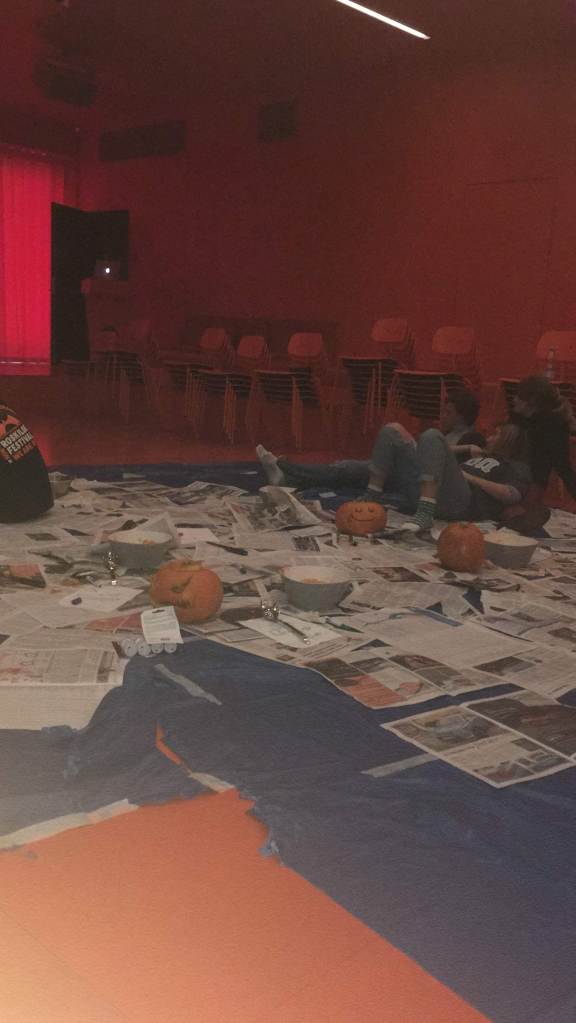
– RoFH students have fun events including open mics, karaoke, and theme parties(silent disco, toga party, 80s party).
-There are many ways to stay active here. You can play soccer (football) with the RoFH students, run on a nature trail, dance in the dance studio, or bicycle around town.
Cons:
– This could be a con for some people: meals times are strict. We eat breakfast during the week from around 7-8:15 and dinner from 5:30-6:00. If you can’t make these meals, you could ask someone to save you a plate.
-I have mixed feelings about the commute to classes in the city. It takes about 50 minutes to bike to the station (it might take longer to take the bus because the bus is unreliable sometimes), take the train to København H, and walk to class. I don’t get much homework done on the 20-25 minute train ride. Instead I listen to podcasts, music, or just look out the window. I nap on the trains. You will probably get used to napping right next to a stranger. The train is good for alone time. If you go out clubbing (går i byen), it’ll take you at least an hour to get back. Trains do not come as frequent at night.
– DIS states that if you choose this option, you should be willing to “Be outgoing and social, and are interested in contributing to a unique co-ed communal living experience.” I knew of this disclaimer before I got here, but it’s always different reading about living in a very social environment versus living in it. For an introvert like me, community meals can get tiring sometimes. Sometimes I feel pressure to engage. That doesn’t mean that I don’t like it here. It just means that I have to make some alone time for myself.
Here are some of my tips:
- Find a quiet place in the main building or somewhere else you can escape to.
- Get away from the højskole for some meals/events. Go to the city and do something by yourself.
- It helps to have a small group of friends in the city who you can hang out with.
- You don’t have to be social all the time.
- If you do this, it’ll be easier to be more present while you are in social situations.
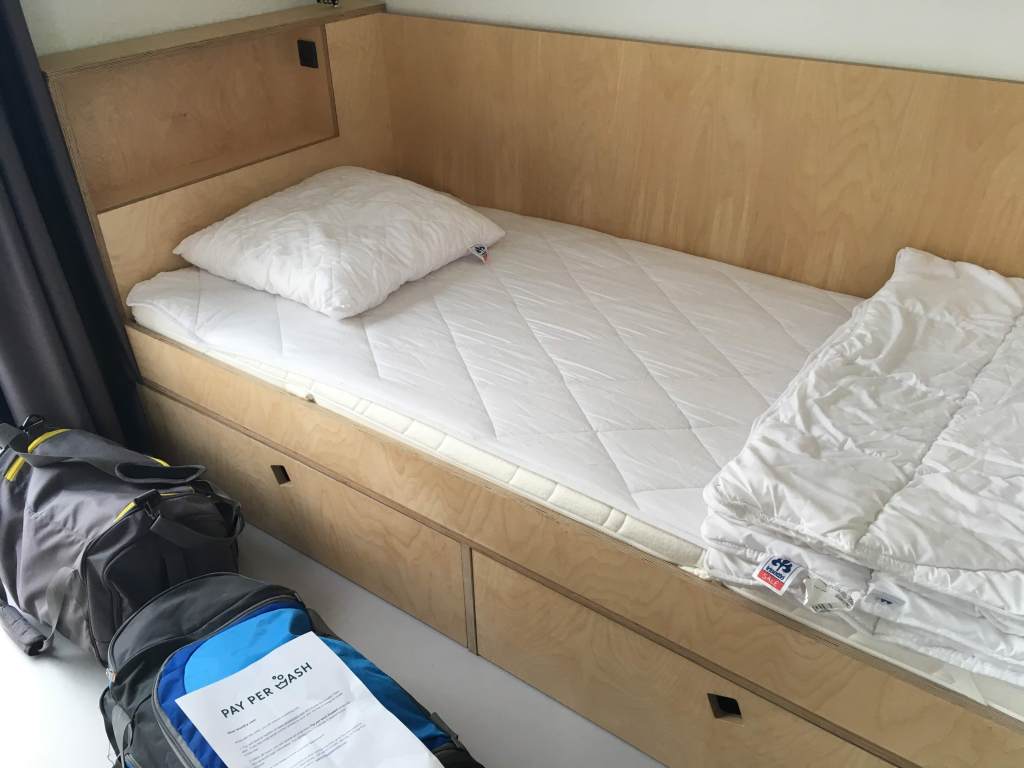
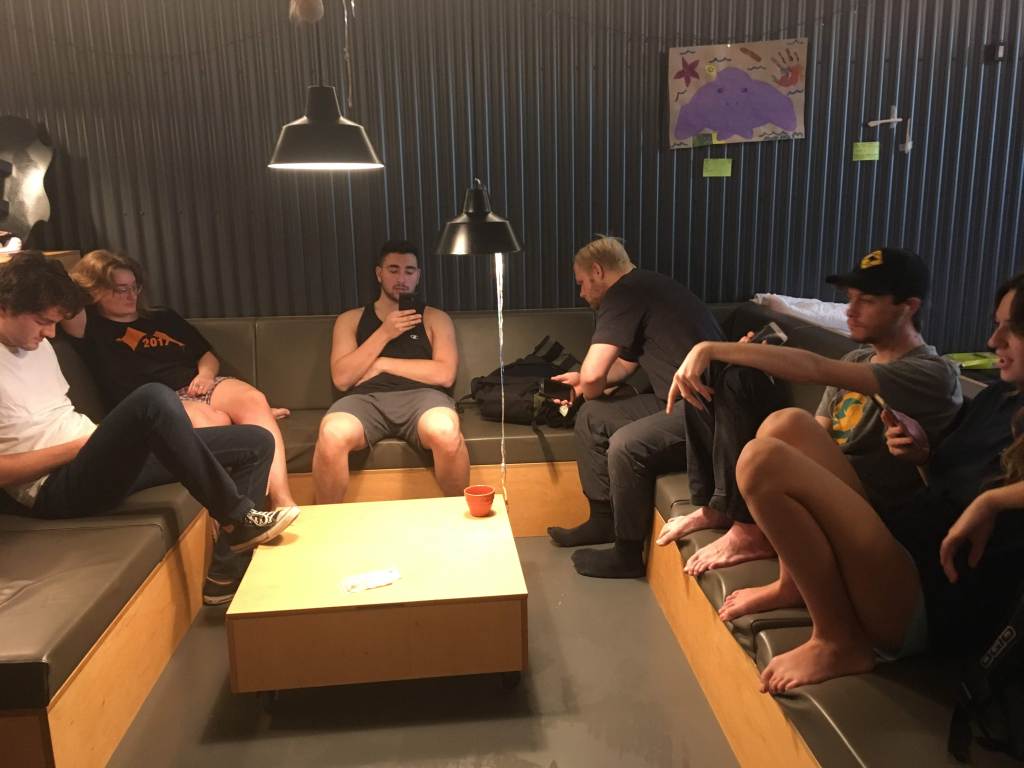
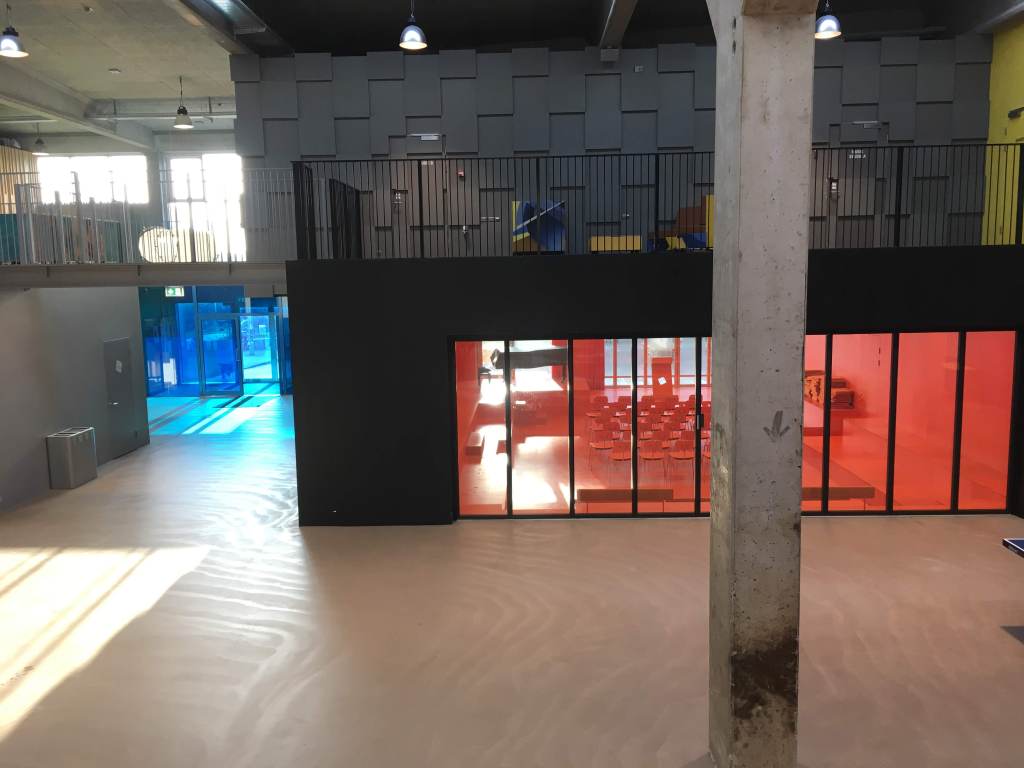
Where to do homework? You can find an empty classroom and have a quiet space to do homework. The main building closes around 10 pm every night. If you are a late night homework person, you could do homework in your room (if your roommate is okay with that) or in the common room (which is a noisier option).
Can I cook some meals? We are allowed to use the kitchens on the weekends. I usually buy bread, peanut butter, and jelly for my lunches during the week.
You will have cleaning duties. Each DIS students clean dishes once a week or once every other week. After parties, we are expected to help clean the main building. You clean your rooms, bathrooms, and common area.
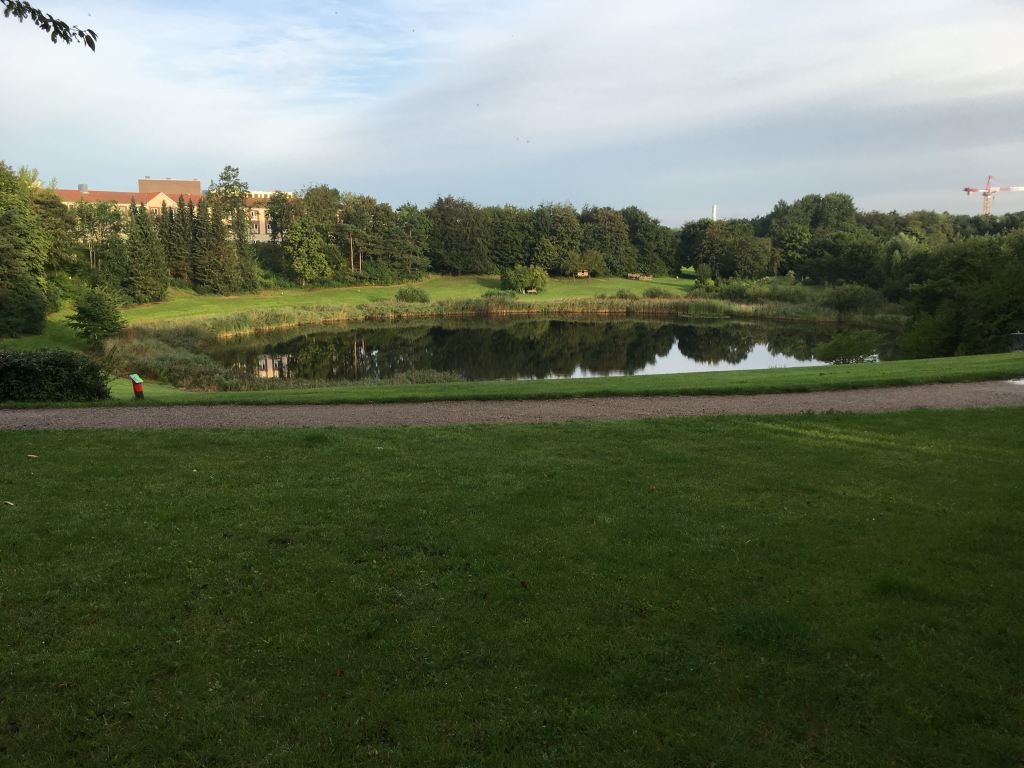
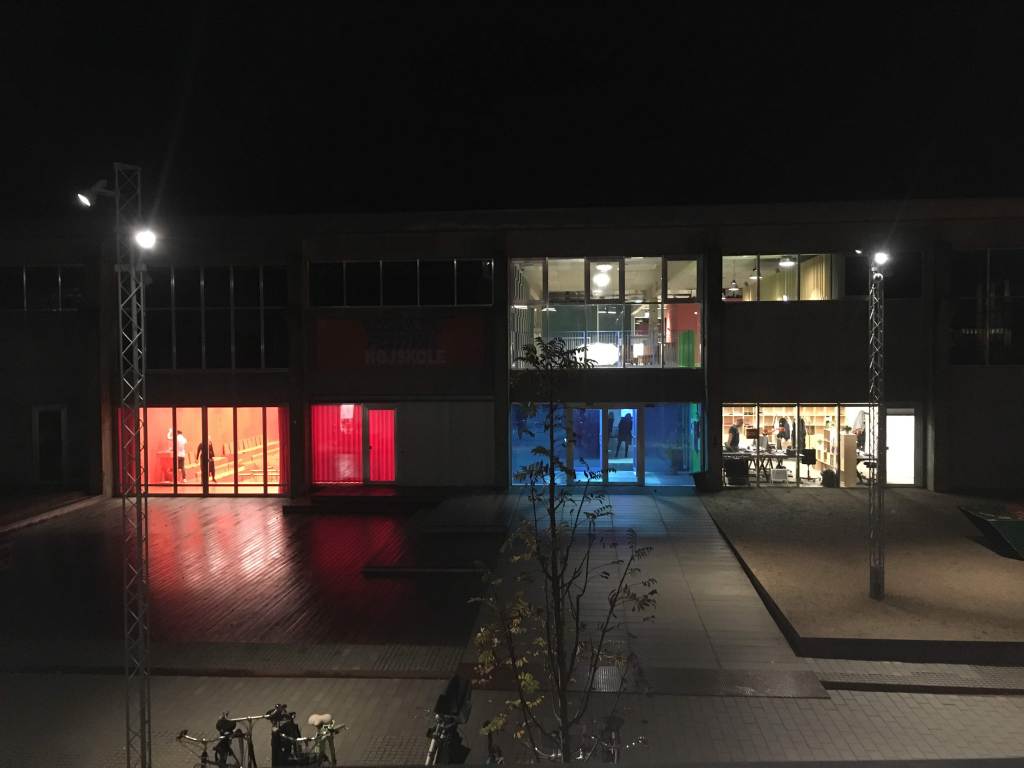
If I missed anything, feel free to comment or contact me under the “contact me” tab. I didn’t want to post too many photos of the main building because the building tour at the beginning of the semester was a fun experience. I had no idea what to expect.
 A North Carolinian in Copenhagen